
From Skepticism to Faith: Captain Brian’s Journey
A retired Navy Captain spent over a year researching LiveO2 before he was willing to buy. The reason for the wait? It sounded too good to be true.
Watch Captain Brian’s Story
A short clip in his own words — click to play.
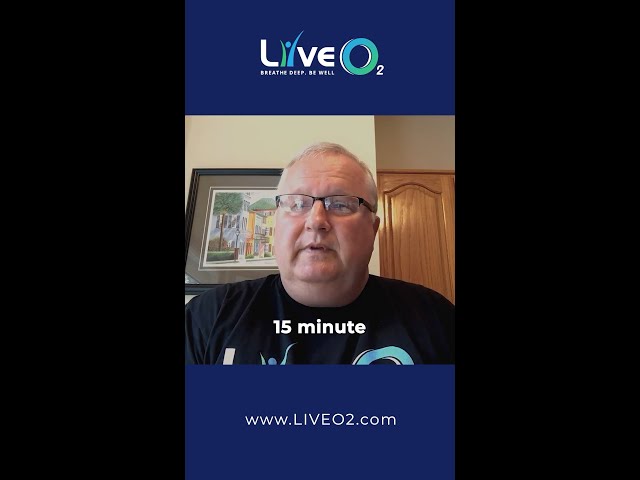
25 Years in the Navy. Five More Training Helicopter Pilots.
Brian served 25 years in the United States Navy before retiring as a Captain. After active duty, he spent the next five years as a contractor for the Army — training helicopter pilots near Fort Rucker. A career built on judgment, mission readiness, and trusting equipment that earns its place.
So when he started looking into oxygen therapy and stumbled across LiveO2, his first instinct was the same one any veteran develops: verify before you trust. The claims looked impressive. The science checked out. But something kept holding him back.
“The only drawback I saw was — it just sounded too good to be true.”
— Captain Brian, retired U.S. NavyA Year of Research Before the First Purchase
It took Brian a little over a year of due diligence before he was willing to commit. He read, he watched, he asked questions. He wanted to be sure. That’s the discipline of a 25-year Navy career applied to a personal decision.
When the system finally arrived, the fear of complexity vanished immediately. The setup video walked him through it: unpackage everything, hang the bag, plug in two hoses, turn it on. That was it. No certifications, no specialist required, no months of installation.
What he expected to be complicated turned out to be elegant. A clear setup video, two hoses, one switch — ready to use within minutes of opening the box.
15 Minutes. Years of Symptoms.
The result that converted Brian from skeptic to believer wasn’t a study or a marketing claim. It was his own body, after the very first session.
“I saw the immediate — no kidding — 15-minute results for things that have been bothering us for years.”
— Captain Brian, on his first LiveO2 sessionThat’s the pattern most LiveO2 owners describe: a single 15-minute Adaptive Contrast session producing changes they could feel right away — in conditions they’d been managing, working around, or quietly tolerating for years.
What Captain Brian’s Story Tells Us
- The biggest barrier to LiveO2 isn’t price or complexity — it’s disbelief that 15 minutes can do this much
- Setup is genuinely simple: unpackage, hang the bag, plug in two hoses, power on
- First-session results are the rule, not the exception — and they tend to address things people have lived with for years
- A career skeptic with 25 years of military judgment now uses it daily
Common Questions
LiveO2 is an oxygen training system that changes what you breathe while you exercise. It uses Adaptive Contrast — switching between oxygen-rich and oxygen-reduced air — to dramatically increase oxygen delivery to your cells in about 15 minutes.
Yes. As Captain Brian describes, you unpackage the system, hang the reservoir bag, plug in two hoses, and turn it on. Every system ships with a setup video so you can be running your first session within minutes of opening the box. See the quick intro here.
About 15 minutes. You exercise on a bike or treadmill while the system manages the oxygen and altitude contrast automatically. Most people feel the effects within their first session — the same experience Captain Brian describes.
Yes — widely. LiveO2 is used by retired and active military personnel for cognitive performance, recovery, and resilience training. Several of our most detailed testimonials come from career military and law-enforcement users. Read more warrior stories.
LiveO2 uses the same oxygen you breathe every day — just in higher concentrations, combined with controlled exercise. It is a non-invasive training system. Consult your healthcare provider if you have specific medical concerns.