
Respiratory Recovery Experience with LiveO2: What Happened in 14 Days
David Chamblee explains his personal recovery after a respiratory infection — comparing symptoms, duration, and strategy to past flu illness.
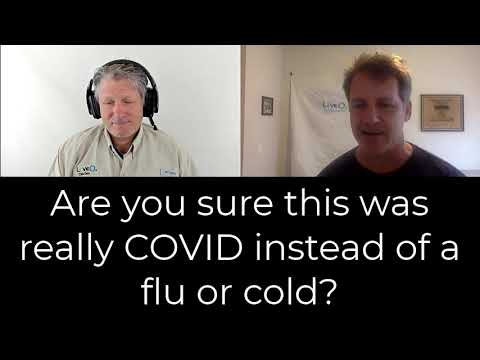
David’s Situation: A High-Stakes Trip Turned Into a Test
David Chamblee got exposed to an apparent respiratory pathogen about 14 days before recording this video. He tested positive on an antigen test roughly 9 days before sitting down to talk.
The backstory matters. David had traveled urgently to Florida to train and equip his elderly aunt and uncle — ages 68 and 72 — who had recently been diagnosed. Earlier that year, one of David’s other uncles had died from a respiratory infection. The stakes were real.
David likely picked up the infection during that trip. What happened next is what this page is about.
- Severity of symptoms compared to what he expected
- Duration compared to past experiences with the flu
- His training strategy during the symptomatic phase
- Outcomes for his wife, aunt, and uncle — all of whom used the same approach
Why Oxygen Matters During Respiratory Recovery
When a respiratory infection hits, two problems stack on top of each other. First, inflamed airways reduce how much oxygen gets into the blood. Second, the immune response itself burns through oxygen at a high rate. The body is fighting hard, but it’s doing so with a reduced fuel supply.
High-flow oxygen breathing during low-intensity exercise addresses both problems directly. Breathing oxygen-enriched air raises arterial oxygen saturation. Gentle movement pushes that oxygen further into tissues — including lung tissue — by increasing circulation without adding metabolic stress.
This is not a new idea. Pulmonary rehabilitation programs have used supervised low-intensity exercise with oxygen for decades. What LiveO2 adds is the ability to do this at home, without a clinical setting.
How David Trained During Active Symptoms
Most people stop moving entirely when they get sick. David took a different approach — but a careful one. He describes modifying his training intensity to match what his body could handle during the symptomatic phase, rather than pushing hard or stopping completely.
The general principle behind this is keeping lymphatic circulation active. The lymphatic system — which carries immune cells throughout the body — has no pump of its own. It depends on muscle movement to move fluid. Gentle activity keeps immune response mobile. Lying still for days does the opposite.
The oxygen component matters here too. Low-intensity movement with high-flow oxygen keeps tissues oxygenated without creating additional metabolic demand. The immune system gets oxygen-rich circulation. The respiratory tract gets direct support.
“The key is matching intensity to your current state — not pushing through, not stopping entirely.”
— David Chamblee, describing his symptomatic-phase training strategyWhat Happened With the Elderly Relatives
The most striking part of David’s account is what he describes for his aunt and uncle, ages 68 and 72. Both had recently been diagnosed. David made an urgent trip specifically to train them on the system before their symptoms worsened.
Older adults face the highest risk from respiratory infections. Lung capacity decreases with age. Circulation becomes less efficient. The immune response slows. This is precisely why oxygen support becomes more critical — not less — as the population gets older.
David reports outcomes for his family members in the video. What stands out is that he was able to get two non-technical people in their late 60s and early 70s using the same protocol within days of diagnosis. Simplicity matters in a crisis. Complex clinical setups would not have been accessible in time.
- David’s wife also used the system during this period
- Aunt (age 68) and uncle (age 72) trained after David set up their system
- David’s uncle had already lost another family member earlier that year to respiratory infection
- The same protocol used across multiple age groups and exposure levels
The Protocols Behind This Approach
David’s experience reflects two specific protocols that LiveO2 has documented for respiratory and immune support. They are not the same thing, but they work together.
Respiratory Recovery Protocol
Designed for active respiratory infection or post-infection recovery. Emphasizes low-intensity movement with high-flow oxygen to support lung tissue oxygenation and keep lymphatic circulation active during the symptomatic phase.
Immune Support Protocol (ImmuneO2)
Designed to support immune function more broadly — before, during, or after illness. Uses oxygen-enriched training to drive oxygen into immune-active tissues and accelerate the clearance of metabolic waste from immune activity.
Common Questions
It depends on symptom severity. David emphasizes matching intensity to your current state. Very low-intensity movement — walking pace, slow cycling — is very different from vigorous exercise. The goal during acute illness is to keep circulation moving, not to achieve fitness gains. Users should consult a physician, especially if symptoms are severe.
Respiratory infections reduce oxygen delivery in two ways: inflamed airways restrict airflow, and the immune response itself consumes oxygen heavily. Breathing high-concentration oxygen during gentle movement helps restore arterial oxygen levels and pushes oxygenated blood further into affected tissues, including lung tissue itself.
David’s elderly relatives — ages 68 and 72 — used the same system. Older adults often benefit more from oxygen support during respiratory illness because natural lung capacity and circulation efficiency decline with age. The intensity of exercise should be appropriate to the individual’s fitness level and current condition. Medical supervision is always recommended for elderly individuals with respiratory illness.
Complete bed rest reduces lymphatic circulation because the lymphatic system has no pump — it depends on muscle movement. Gentle activity keeps immune cells moving through the body. David reports that his symptom duration compared favorably to prior flu experiences. Users report varied outcomes and individual results differ.
It is a specific training protocol designed for use during or after respiratory illness. It combines low-intensity exercise with high-flow supplemental oxygen to support lung tissue oxygenation and maintain lymphatic circulation during the symptomatic phase. The full protocol is available at liveo2.com/usage-guides/respiratory-recovery/.
Clinical oxygen therapy typically involves passive breathing of supplemental oxygen at rest. LiveO2 adds low-intensity exercise to that foundation. Exercise amplifies the delivery of oxygen to tissues by increasing heart rate, circulation, and capillary perfusion — the same reason pulmonary rehabilitation uses supervised exercise rather than bed rest.
David traveled specifically to set up the system for his 68- and 72-year-old relatives in time for them to use it during active illness. Setup time and complexity are a real consideration. LiveO2 is designed for home use, but having someone walk through initial setup — either in person or by phone — makes a significant difference in a time-sensitive situation.
Explore More
Respiratory Recovery Protocol
The full protocol David references — step by step, with intensity guidelines for each symptom phase.
Immune Support Protocol
Oxygen-enriched training designed to support the immune response before, during, and after illness.
Experience Library
More first-person accounts from users across recovery, performance, and longevity goals.
What Is EWOT?
Exercise with oxygen training explained — the science behind why movement amplifies oxygen delivery.
Long COVID & Oxygen
The hidden oxygen deficit behind persistent post-respiratory symptoms — and what it means for recovery.
Try a Session
See the system in action before you commit. Find a tryout location near you.
Questions? Call 1-800-558-1024 · Try a free session →