
Sprint and Hypoxic Training — The Science of HGH Elevation for Anti-Aging and Performance
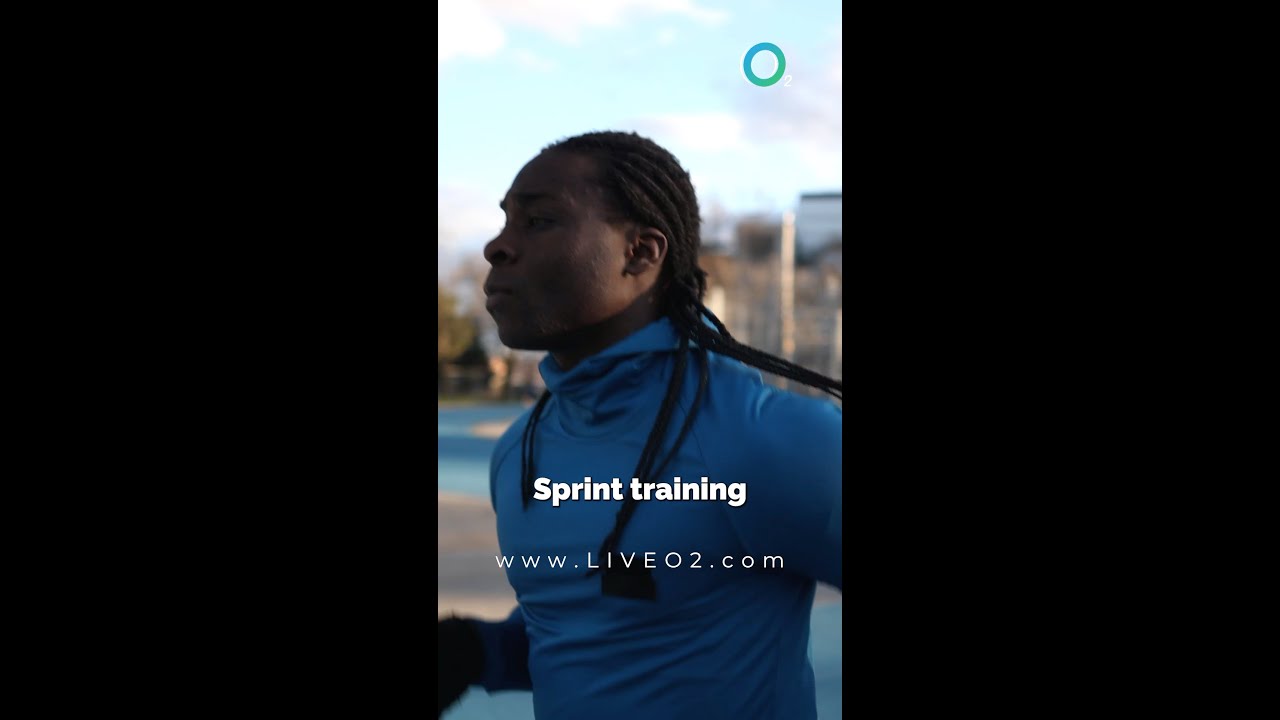
Human growth hormone is one of the most powerful anti-aging molecules your body produces. Sprint training combined with hypoxic stimulus is one of the most effective ways to dramatically increase it.
Who This Is For
This is for athletes and anti-aging focused individuals who want to understand the science behind HGH elevation through training — and how LiveO2’s hypoxic contrast amplifies this powerful mechanism.
- Athletes seeking to maximize HGH output for performance and recovery
- Anti-aging focused individuals who want to understand the HGH connection to longevity
- People who have considered HGH supplementation but prefer natural elevation
- Health optimizers who want to understand the sprint-hypoxia-HGH mechanism
- Coaches and trainers looking to understand the science behind LiveO2 training protocols
Why HGH Matters for Anti-Aging and Performance
Human growth hormone (HGH) declines dramatically with age — by the time most people reach 60, their HGH output is a fraction of youthful levels. This decline is closely associated with the hallmarks of aging: loss of lean muscle mass, increased body fat, slower recovery, reduced bone density, impaired immune function, and declining cognitive capacity. HGH is not a minor aging factor — it is one of the central regulatory hormones of biological youth.
Pharmaceutical HGH supplementation exists but carries significant risks and costs — and bypasses the body’s natural regulatory mechanisms. The better approach is stimulating the body’s own HGH production through the physiological triggers that evolution provided: intense exercise and hypoxic stress. Sprint training and hypoxic exposure are the two most powerful natural HGH stimulants — and LiveO2 combines them into a single protocol.
How Sprint + Hypoxic Training Amplifies HGH Production
LiveO2’s hypoxic contrast cycling during sprint training creates a powerful combined stimulus for HGH secretion. Intense sprint efforts trigger the exercise-induced HGH pulse that is one of the strongest natural HGH stimuli. The simultaneous hypoxic exposure — breathing reduced-oxygen air during the sprint phase — amplifies this response through a separate pathway: hypoxia-inducible factor (HIF) signaling and the metabolic stress that additionally drives pituitary HGH release. The combined effect produces HGH pulses that neither sprint training nor hypoxic exposure alone achieves.
The anti-aging implications extend beyond HGH itself. The combined sprint-hypoxia protocol also stimulates mitochondrial biogenesis, improves cardiovascular efficiency, increases BDNF (brain-derived neurotrophic factor) for cognitive anti-aging, and activates the cellular stress-response pathways (hormesis) that drive biological renewal. This is one of the most comprehensively beneficial training protocols known for anti-aging.
What Users Experience
Athletes and anti-aging users combining LiveO2 with sprint protocols report:
- Faster muscle recovery between sessions — reflecting improved HGH-driven tissue repair
- Body composition improvements: lean mass preservation or gain alongside fat reduction
- Improved performance output in subsequent training sessions
- Better sleep quality — partly reflecting the HGH pulse that occurs during deep sleep
- The subjective and measurable markers of biological age reversal that track with improved HGH status
Key Takeaways
- HGH is a central anti-aging hormone that declines dramatically with age
- Sprint training and hypoxic exposure are the two strongest natural HGH stimulants
- LiveO2 combines both stimuli simultaneously for amplified HGH response
- The sprint-hypoxia protocol activates multiple anti-aging pathways beyond HGH alone
- Natural HGH elevation through training avoids the risks of pharmaceutical HGH
- This protocol benefits both performance athletes and anti-aging focused individuals
Elevate your HGH naturally with LiveO2
Sprint training combined with LiveO2’s hypoxic contrast — the most powerful natural HGH stimulus protocol available.
Explore LiveO2 Systems Talk to an ExpertFrequently Asked Questions
Research on sprint training alone shows HGH pulses 6–10 times greater than resting levels. Hypoxic exposure adds additional HGH stimulus through separate pathways. The combined effect in LiveO2’s sprint-hypoxia protocol produces HGH responses significantly above either stimulus alone. The exact magnitude varies by individual fitness level, age, and protocol intensity.
They are different in character. Pharmaceutical HGH provides sustained elevated HGH levels that bypass the body’s regulatory systems. Natural HGH elevation through training produces pulsatile releases that work within normal regulatory feedback loops. Most anti-aging researchers favor the pulsatile natural pattern for long-term use, as it preserves regulatory sensitivity and avoids the risks (insulin resistance, joint pain, potential cancer risk) associated with sustained supraphysiologic HGH levels.
High-intensity effort produces the largest HGH response, but meaningful HGH stimulus occurs across a range of intensities above the lactate threshold. For people who cannot sustain true all-out sprints, high-effort intervals at 80–90% capacity with the hypoxic stimulus still produce substantial HGH elevation. The hypoxic component lowers the exercise intensity threshold needed for significant HGH response.
The exercise-induced HGH pulse peaks during and immediately after the sprint effort and declines over 1–2 hours. However, the HGH pulse triggers downstream anabolic responses — protein synthesis, tissue repair, fat metabolism — that persist for 12–24 hours. Consistent training also supports improved baseline HGH secretion, particularly the overnight HGH pulse during deep sleep.
Yes, with appropriate intensity modification. The HGH response to high-intensity exercise and hypoxia is maintained into older age, though baseline HGH levels are lower. For older adults, ‘sprint’ effort should be relative to their capacity — vigorous effort, not necessarily maximum speed. The hypoxic component of LiveO2 amplifies the HGH response, making the threshold for meaningful HGH elevation achievable at lower absolute intensities.
Women generally show larger acute HGH responses to exercise than men (partly due to estrogen’s effect on HGH secretion), but also more rapidly declining baseline HGH with age. Both men and women show meaningful HGH elevation with sprint-hypoxia training. Post-menopausal women, who experience accelerated HGH decline, often show particularly significant anti-aging benefits from protocols that support natural HGH production.