
Mark Squibb Explains a Low Pulse Oximeter Reading
Mark Squibb explains why a temporarily low pulse oximeter reading during LiveO2 training is intentional and expected — and what distinguishes the controlled hypoxic stimulus from pathological oxygen deprivation.
Watch the Overview
A short clip covering the key points — click to play.
The Protocol Behind the Results
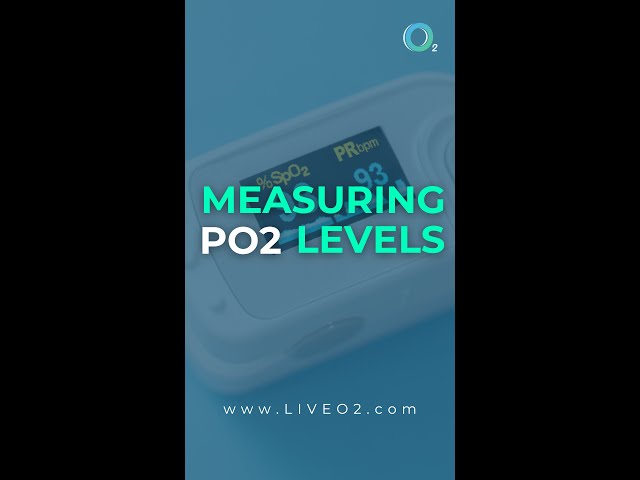
A low pulse oximeter reading during a LiveO2 session is exactly what the hypoxic phase is designed to produce — and understanding why that’s not a cause for alarm is important for new users and practitioners alike. LiveO2 founder Mark Squibb explains the difference between pathological hypoxia (a medical emergency) and controlled, intentional hypoxia (the training stimulus at the heart of adaptive contrast).
The temporary, monitored drop in SpO2 during the low-oxygen phase is precisely what triggers the body’s oxygen delivery upregulation response. It resolves immediately when the mask switches to high oxygen. Knowing this allows users to engage the protocol confidently rather than responding to the reading with alarm.
15 minutes. Real results. Adaptive contrast delivers more oxygen to more tissue in a single session than passive oxygen therapy can in an hour. That’s physics, not marketing.
Key Takeaways
- Pulse ox drops during hypoxic phase are intentional and expected, not a medical emergency
- Controlled hypoxia differs fundamentally from pathological oxygen deprivation
- The SpO2 drop resolves immediately when the high-oxygen phase resumes
- Understanding this allows users to engage confidently with the full protocol
“LiveO2 changes what you breathe while you exercise. That one change produces outsized results in a fraction of the time.”
— Mark Squibb, CEO & Inventor of LiveO2Common Questions
LiveO2 is an oxygen training system that changes what you breathe while you exercise. It uses Adaptive Contrast — switching between oxygen-rich and oxygen-reduced air — to dramatically increase oxygen delivery to your cells in about 15 minutes.
About 15 minutes. You exercise on a bike or treadmill while the system manages the oxygen and altitude contrast automatically. Most people feel the effects within their first session.
Adaptive Contrast is LiveO2’s core technology. It switches between high-oxygen and low-oxygen air during exercise. The low-oxygen phase opens your blood vessels. The high-oxygen phase floods them with saturated plasma. The result is dramatically more oxygen reaching your tissues. Full explanation here.
LiveO2 uses the same oxygen you breathe every day — just in higher concentrations, combined with controlled exercise. It is a non-invasive training system. Consult your healthcare provider if you have specific medical concerns.
Athletes, practitioners, biohackers, and everyday people. LiveO2 systems are used in clinics, gyms, training facilities, and homes across the country. See how one doctor discovered it.