
Paralympic Champion David Prince: LiveO2 and the Secret to Athletic Longevity
A Paralympic gold medalist shares how optimized oxygen delivery extends careers and keeps elite athletes performing decades longer than expected.
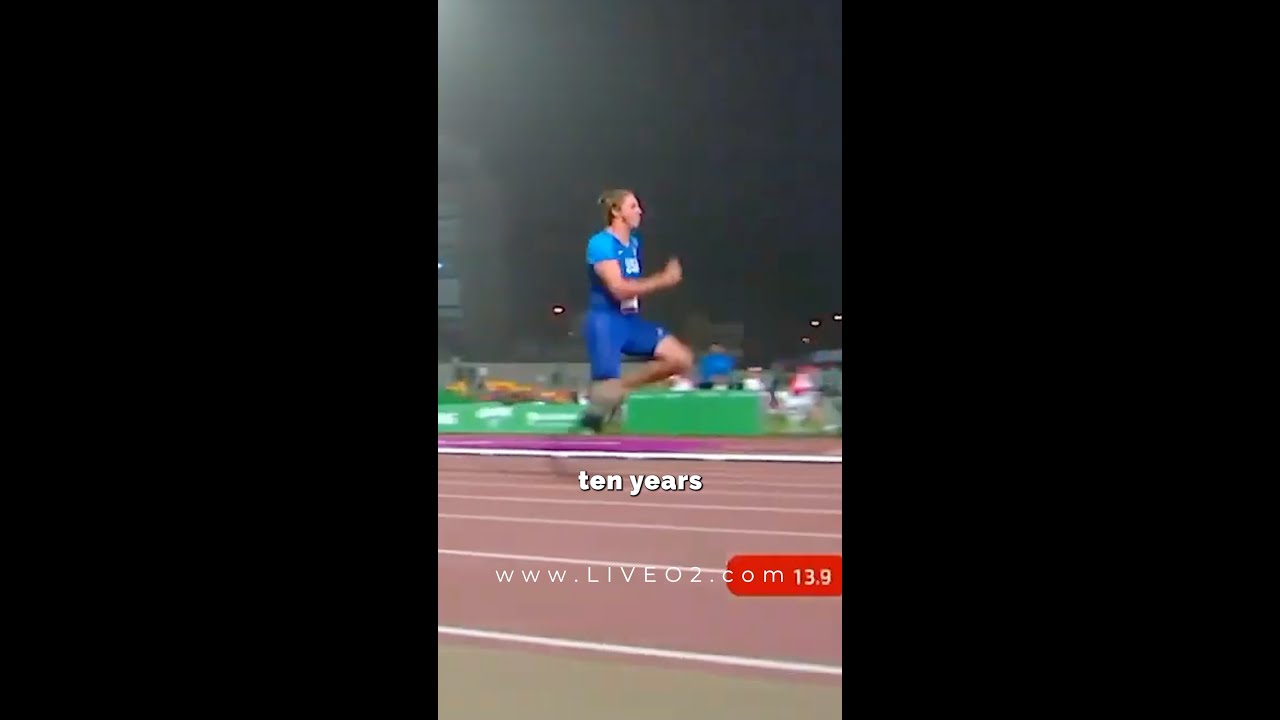
Who This Is For
This is for athletes and high performers who think seriously about career longevity, not just today’s performance. Whether you’re a competitive athlete, weekend warrior, or coach, this content addresses the physiology of sustained elite output.
- Paralympic and Olympic athletes managing long competitive careers
- Coaches building long-term athlete development programs
- Masters athletes wanting to compete well into their 50s and 60s
- Athletes with disabilities looking for advanced recovery tools
- Performance directors and sports medicine professionals
The Challenge Elite Athletes Face
Elite athletic careers end not because athletes stop training, but because their bodies lose the ability to recover quickly enough between sessions. Oxygen debt accumulates, tissues repair more slowly, and injury risk rises. Most athletes accept this as inevitable aging — but the physiology tells a different story.
The real limiting factor in career longevity isn’t muscle strength or technique — it’s tissue oxygenation. When cells can’t get the oxygen they need to repair, every hard training session costs more and returns less. This compounds over years into premature career decline.
Why Oxygen Is the Missing Link
LiveO2 Adaptive Contrast solves the tissue oxygen problem directly. By cycling between oxygen-rich and oxygen-reduced air during exercise, it creates a powerful cardiovascular stimulus that drives oxygen into capillary beds that passive recovery simply can’t reach. Athletes recover faster, train harder, and maintain peak output for longer.
For Paralympic and adaptive athletes, this technology is especially meaningful — it works with the body’s own cardiovascular system, regardless of physical limitations, to maximize oxygen delivery where it’s needed most.
What Athletes Report
Paralympic and elite athletes using LiveO2 as part of their recovery protocol report:
- Significant reduction in recovery time between competition days
- Sustained high output later into competitive seasons
- Improved resilience to cumulative training load
- Better sleep and overnight tissue repair metrics
- Maintained explosive power output across longer training blocks
Key Takeaways
- Career longevity is fundamentally a tissue oxygenation challenge — not just genetics or willpower
- LiveO2 drives oxygen into tissues that conventional recovery methods can’t access
- Paralympic athletes demonstrate that adaptive systems can benefit all athletic populations
- A 15-minute session can replace hours of passive recovery with superior cellular outcomes
- Coaches should consider oxygen optimization as a core pillar of long-term athlete development
- The sooner athletes adopt oxygen optimization, the greater the career longevity benefit
Ready to train at this level?
Whether you’re competing at the Paralympic level or simply want to extend your peak performance years, LiveO2 gives you the physiological tools to do it.
Explore LiveO2 Systems Talk to an ExpertFrequently Asked Questions
David Prince is a Paralympic gold medalist who has trained and competed at the highest levels of adaptive sport. His perspective on LiveO2 is valuable because Paralympic athletes face unique recovery challenges and often have more direct physiological awareness of what truly impacts performance.
Career longevity depends on the body’s ability to repair tissue quickly between training sessions. LiveO2 Adaptive Contrast maximizes oxygen delivery to recovering tissue, which speeds cellular repair, reduces chronic inflammation, and preserves the physiological systems that degrade with age and accumulated training load.
Yes. LiveO2 works with your cardiovascular and respiratory system — which are functional regardless of limb differences or other physical adaptations. Many adaptive athletes find that LiveO2 provides recovery benefits that are disproportionately large because they often train with higher intensity in the muscle groups they do use.
Recovery time starts increasing meaningfully in the mid-30s for most athletes, and significantly more in the 40s. However, starting LiveO2 optimization earlier — even in the late 20s or early 30s — helps maintain the capillary density and oxygen delivery efficiency that typically degrades with age.
LiveO2 Adaptive Contrast directly addresses the root cause of slow recovery — oxygen debt in tissues. Cryotherapy reduces inflammation but doesn’t improve oxygen delivery. Hyperbaric oxygen therapy also increases oxygen availability but requires 60–90 minute sessions at significant cost. LiveO2 delivers comparable or superior oxygenation in 15 minutes.
Absolutely. Many elite athletes use LiveO2 between competition days for accelerated recovery. The protocol can be adjusted to be more gentle or more intensive based on competition schedule and recovery needs.