
The Healing Power of Oxygen
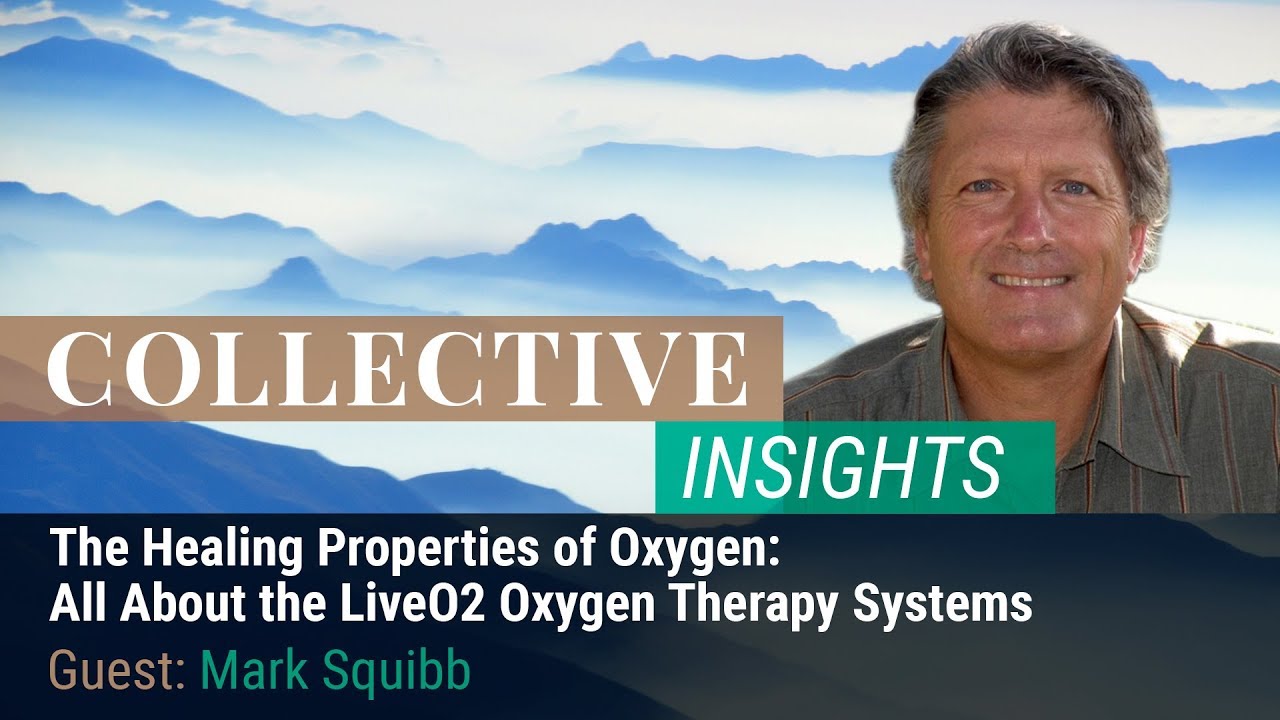
Mark Squibb joins Neurohacker’s Collective Insights podcast to break down why oxygen training is the fastest lever you can pull for brain performance and whole-body health.
Watch the Episode
Neurohacker Collective Podcast
Listen to the Episode
Mark Squibb × Dr. Heather Sandison — Collective Insights Podcast
This conversation gets into the science behind oxygen training — without the jargon. Mark breaks it down so anyone can understand why their body needs more oxygen than breathing alone can provide.
Why Oxygen Is the Bottleneck
Here is the problem nobody talks about. You breathe every second of every day. And you still do not get enough oxygen into your tissues.
Normal breathing only saturates your blood to about 97%. Sounds great. But that last 3% gap is exactly where disease starts. Your capillaries — the tiny blood vessels that feed your brain, organs, and muscles — get damaged over time. Inflammation swells them shut. Toxins clog them. And oxygen cannot get through.
A 2019 study in Redox Biology showed that even mild drops in tissue oxygenation trigger a cascade of mitochondrial dysfunction, oxidative stress, and chronic inflammation (PMID: 31252289).
Mark puts it simply on the podcast: your cells are like little engines. They need fuel and oxygen. If either runs low, everything slows down. Energy drops. Thinking gets foggy. Recovery takes forever.
Your body uses oxygen to make 90% of its energy. When delivery drops even slightly, every system in your body feels it — starting with your brain.
The Five Drivers of Disease
Mark lays out a framework on the podcast that makes the whole thing click. He calls them the five primary drivers of disease:
1. Low oxygen delivery. Your tissues are starving. Not because you are not breathing. Because the pathways are blocked.
2. Toxin accumulation. Without enough blood flow, your body cannot flush waste. Toxins build up in joints, organs, and your brain.
3. Chronic inflammation. Damaged capillaries swell. Blood flow drops further. It becomes a vicious cycle.
4. Mitochondrial dysfunction. Your energy factories shut down without oxygen. You feel it as fatigue, brain fog, and slow recovery.
5. Immune suppression. Your immune cells need oxygen to function. Research published in Nature Reviews Immunology confirms that immune cell metabolism depends on adequate tissue oxygenation (PMID: 28990585).
Notice the pattern. Oxygen sits at the center of all five. Fix oxygen delivery and you address the root cause — not just the symptom.
What Adaptive Contrast Actually Does
Mark explains the mechanism in plain language. Here is the short version.
You get on a bike or rebounder. You breathe through a mask connected to a LiveO2 reservoir. The system switches between two air mixtures — one with less oxygen and one with more.
The low-oxygen air triggers your body to open up every blood vessel it can. It thinks you are at altitude. Blood flow spikes. Your heart pumps harder. Capillaries dilate.
Then you switch to high-oxygen air. Now all that extra blood flow gets flooded with oxygen. The oxygen pushes into tissues that have not been properly fed in years. Swollen capillaries get flushed. Toxins get cleared. Mitochondria light back up.
The whole session takes about 15 minutes. Mark calls it an exercise amplifier. You are not working harder. You are getting 10x more out of the same effort.
“We are not replacing exercise. We are making exercise do what it was supposed to do before your circulation got damaged.”
— Mark Squibb, CEO & Founder of LiveO2The Brain Performance Angle
This is where the conversation gets interesting for anyone interested in neurohacking.
Your brain weighs about 2% of your body. It uses 20% of your oxygen. That ratio tells you everything. The brain is oxygen-hungry. And it is the first thing to suffer when delivery drops.
Mark explains that most people walk around with a subtle oxygen deficit in their brain. Not enough to cause a medical emergency. But enough to shave points off their thinking speed, memory, and focus.
Adaptive Contrast pushes a wave of oxygenated blood through the brain’s vascular network. Users report clearer thinking, faster recall, and better mood — often after a single session.
Dr. Sandison, who hosts the podcast and specializes in brain health, connected this to her own clinical work. She sees patients with cognitive decline every day. Oxygen delivery is almost always part of the problem.
Who Is This For?
One important detail Mark covers on the podcast: you do not need to be an athlete to use LiveO2.
The system works at any fitness level. Elderly users. People recovering from illness. Desk workers who barely move. The exercise component is just the delivery vehicle. A slow pedal on a recumbent bike is enough to get the blood flowing.
Mark also addresses a common question about pure oxygen. LiveO2 does not use pure oxygen like a medical device. It uses concentrated oxygen — similar to what you would breathe at a lower elevation. That is what makes it safe for home and clinic use without a prescription.
He also mentions pulse oximetry as a tool to measure your response in real time. You can see your oxygen saturation change during a session. It makes the invisible visible.
You do not need to be fit to start. You need to start to get fit. LiveO2 meets you where you are.
Common Questions
Collective Insights is a podcast by Neurohacker Collective that explores the science behind human performance, brain health, and longevity. It features interviews with researchers, inventors, and clinicians at the cutting edge of health optimization.
Mark identifies low oxygen delivery, toxin accumulation, chronic inflammation, mitochondrial dysfunction, and immune suppression as the five primary drivers. Oxygen sits at the center of all five, making it the highest-leverage intervention.
No. LiveO2 works at any fitness level. You can use a recumbent bike, rebounder, or any gentle exercise. The system does the heavy lifting with oxygen delivery. Your effort level can be low and you still get results. Learn more about exercise intensity.
No. LiveO2 uses concentrated ambient air, not pure medical-grade oxygen. The system creates oxygen-enriched air similar to what you would breathe at a lower elevation. This means no prescription is needed and it is safe for home and clinic use. Why oxygen alone is not enough.
A standard Adaptive Contrast session is about 15 minutes. Most users notice effects — clearer thinking, better energy, improved mood — immediately after their first session. How quickly can you see results?