LiveO2

Upgrade Your Oxygen Delivery System.

15 minutes. No chamber.

Book Your Demo
Experience It Near You

Researching Hyperbaric (HBOT)?

Hyperbaric Oxygen Therapy Alternative: Restore Your Body’s Oxygen System

LiveO2 uses Adaptive Contrast® — a patented oxygen training method — combined with exercise to rebuild your oxygen delivery system from the inside out.
Not a band-aid — a permanent upgrade.

A hyperbaric chamber puts extra oxygen into your body. When you leave, it fades. LiveO2 delivers that same oxygen — then goes further. The contrast between high and low oxygen combined with exercise forces your body to adapt: more red blood cells, reopened blood vessels, more oxygen reaching your tissue with every heartbeat. You don’t just get more oxygen — you get a body that uses it better, for good.

Hyperbaric sessions take hours. LiveO2 takes minutes — in your own home. And because it combines oxygen with exercise, every session replaces your regular workout too. No clinics, no commutes, no lost time. You reach your goals in days, not months.

Hard-shell hyperbaric sessions run about $300 each[15,17] — and protocols often call for 40 or more[11]. That’s $12,000+ just in sessions. A LiveO2 system starts around $5,000 — and you own it for life. Use it every day, share it with your family, no per-session fees, no clinic bills. One investment in a powerful wellness tool you’ll own for life.

Dr. Mariano Palacios

“After 1,000+ patients and 15 years of hyperbaric chambers, I switched to LiveO2.”

— Dr. Mariano Palacios, Internal Medicine Watch his story →

No signup required Watch on your schedule

Researching Hyperbaric (HBOT)?

Hyperbaric Oxygen Therapy Alternative: Restore Your Body’s Oxygen System

LiveO2 uses Adaptive Contrast® — a patented oxygen training method — combined with exercise to rebuild your oxygen delivery system from the inside out.
Not a band-aid — a permanent upgrade.

A hyperbaric chamber puts extra oxygen into your body. When you leave, it fades. LiveO2 delivers that same oxygen — then goes further. The contrast between high and low oxygen combined with exercise forces your body to adapt: more red blood cells, reopened blood vessels, more oxygen reaching your tissue with every heartbeat. You don’t just get more oxygen — you get a body that uses it better, for good.

Hyperbaric sessions take hours. LiveO2 takes minutes — in your own home. And because it combines oxygen with exercise, every session replaces your regular workout too. No clinics, no commutes, no lost time. You reach your goals in days, not months.

Hard-shell hyperbaric sessions run about $300 each[15,17] — and protocols often call for 40 or more[11]. That’s $12,000+ just in sessions. A LiveO2 system starts around $5,000 — and you own it for life. Use it every day, share it with your family, no per-session fees, no clinic bills. One investment in a powerful wellness tool you’ll own for life.
No signup required Watch on your schedule
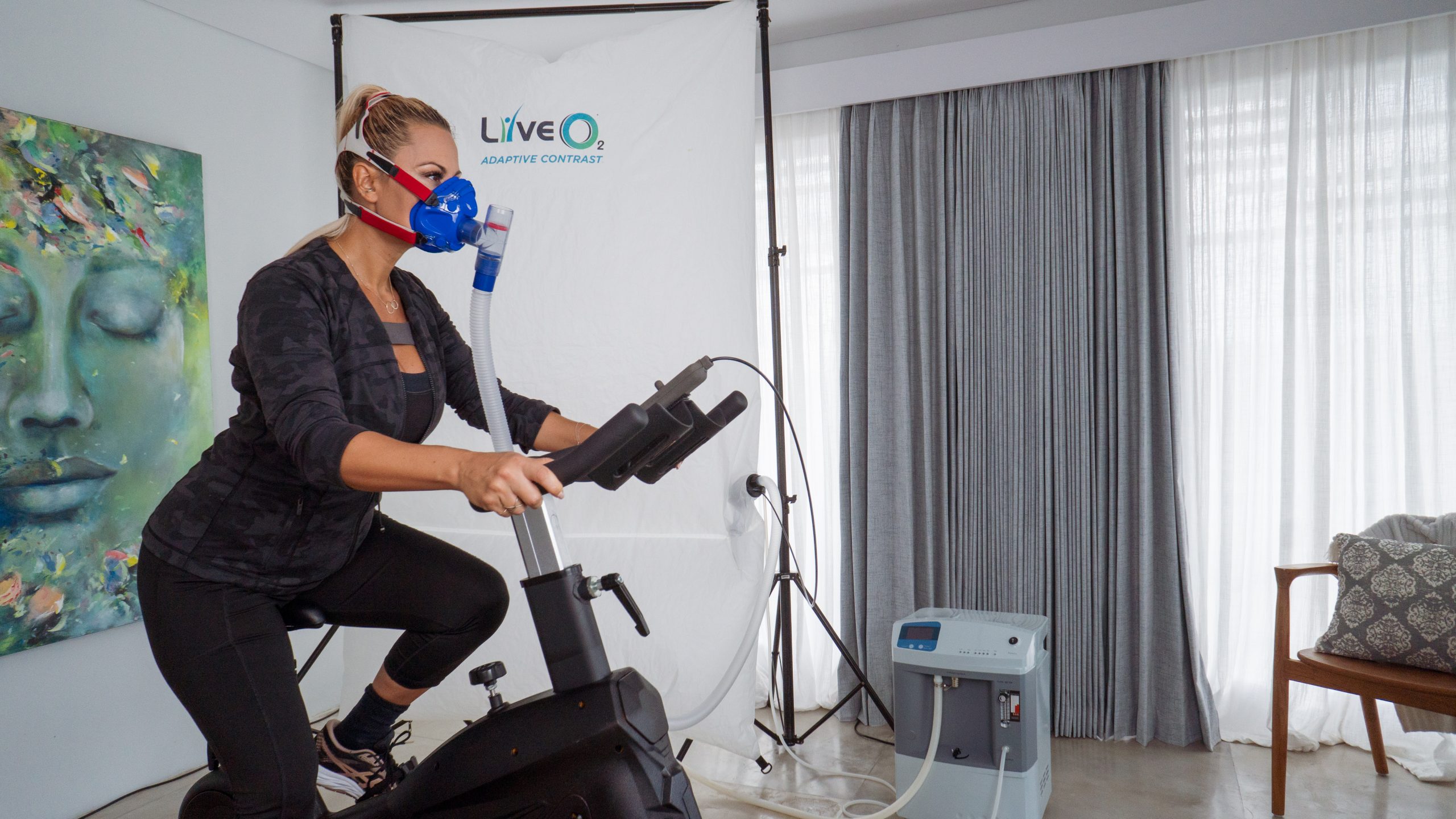
Person using LiveO2 adaptive contrast oxygen therapy system
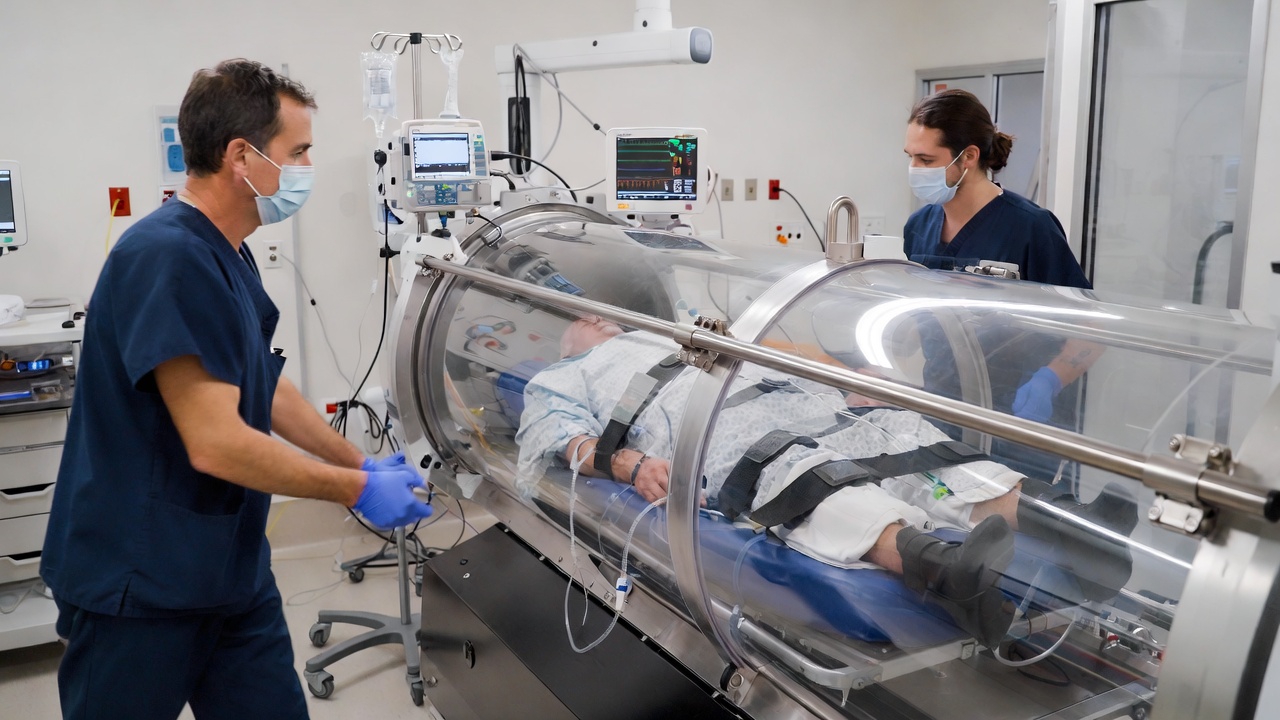
Person lying inside a hyperbaric oxygen therapy chamber

Hyperbaric Chamber vs LiveO2 — See Which Is Right for You

Exercise is what makes LiveO2 work — but it doesn’t need to be intense. A light pedal on a stationary bike, even seated, is enough.

But if you’re completely immobile and unable to do any physical movement at all, a hyperbaric chamber may be the better option for you.

How Can Oxygen Therapy Help You?

Click the one that sounds like you

“I want my mind back.”

Head injury, brain fog, memory, focus

“I want my energy back.”

Chronic fatigue, low energy

“I want to live without pain.”

Inflammation, chronic pain, stiffness

“I want to stay at my peak.”

Longevity, anti-aging, performance

Beyond Hyperbaric: The Science of Adaptive Contrast

At high altitude, the air has less oxygen. Your body notices. And it fights back — hard.

Blood vessels dilate wide open. Your body starts producing more red blood cells. Your heart gets more efficient. This is called intermittent hypoxic training[2] — and elite athletes have used it for decades.

LiveO2 brings that altitude response into your living room — then takes it a step further.

How LiveO2 adaptive contrast oxygen therapy works

How LiveO2 Actually Works

1
Phase 1

High Oxygen Flood

Oxygen floods tissue that’s been starving — reaching areas a chamber’s passive dissolved oxygen can’t access.

4
The Switch

Peak Exercise

At peak effort, you flip back to pure oxygen — driving it through those wide-open vessels with up to 3× the pulse pressure of lying still. [5]

Adaptive Contrast oxygen therapy cycle diagram showing 4 phases: O2 Flood, Switch, Hypoxia, Peak
2
The Switch

Contrast Trigger

You flip from oxygen-rich to altitude-level air. The sudden contrast triggers your body’s adaptive survival response.

3
Phase 3

Low Oxygen (Hypoxia)

Your vessels open wide — your body’s survival response kicks in, dilating capillaries to maximize oxygen delivery.

Adaptive Contrast oxygen therapy cycle diagram showing 4 phases: O2 Flood, Switch, Hypoxia, Peak

Oxygen floods tissue that’s been starving — reaching areas a chamber’s passive dissolved oxygen can’t access.

You flip from oxygen-rich to altitude-level air. The sudden contrast triggers your body’s adaptive survival response.

Your vessels open wide — your body’s survival response kicks in, dilating capillaries to maximize oxygen delivery.

At peak effort, you flip back to pure oxygen — driving it through those wide-open vessels with up to 3× the pulse pressure of lying still. [5]

Cycle repeats continuously
Result
The Result

Your Body Builds Permanent Upgrades

Every cycle strengthens your cardiovascular system. These aren’t temporary effects — they’re structural changes your body keeps.

More Red Blood Cells
Your body produces more oxygen carriers [2]
Higher VO2 Max
Greater oxygen capacity per breath [3]
Stronger Heart & Lungs
Cardiovascular system gets fitter
Repaired Vessels
Capillaries reopen and stay open

What a Hyperbaric Oxygen Chamber Can’t Do

Hyperbaric chambers don’t use hypoxia, and they don’t involve exercise. Without those two triggers, your body has no reason to build new capillaries, produce more red blood cells, or strengthen your cardiovascular system. You get temporary oxygen — not permanent adaptation.

Compare Hyperbaric Chamber Systems vs LiveO2
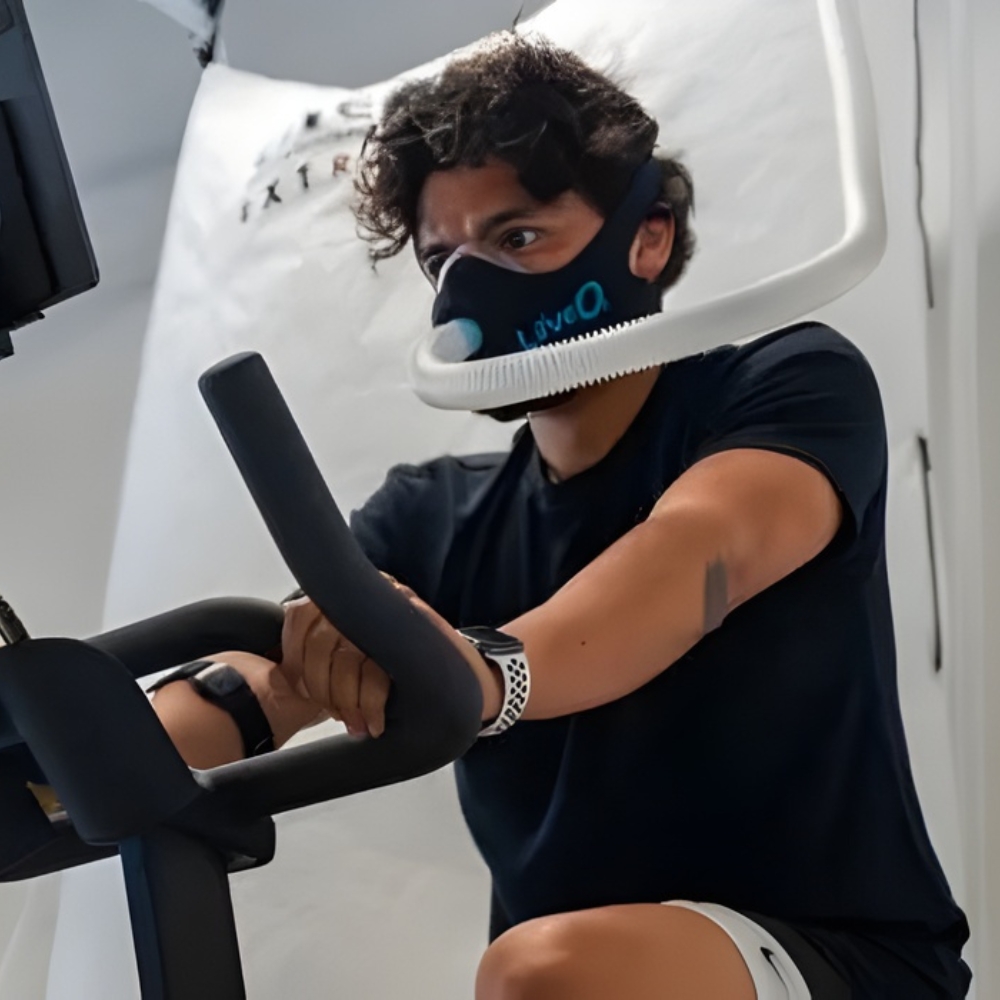
LiveO2 adaptive contrast oxygen therapy system - HBOT alternative

LiveO2

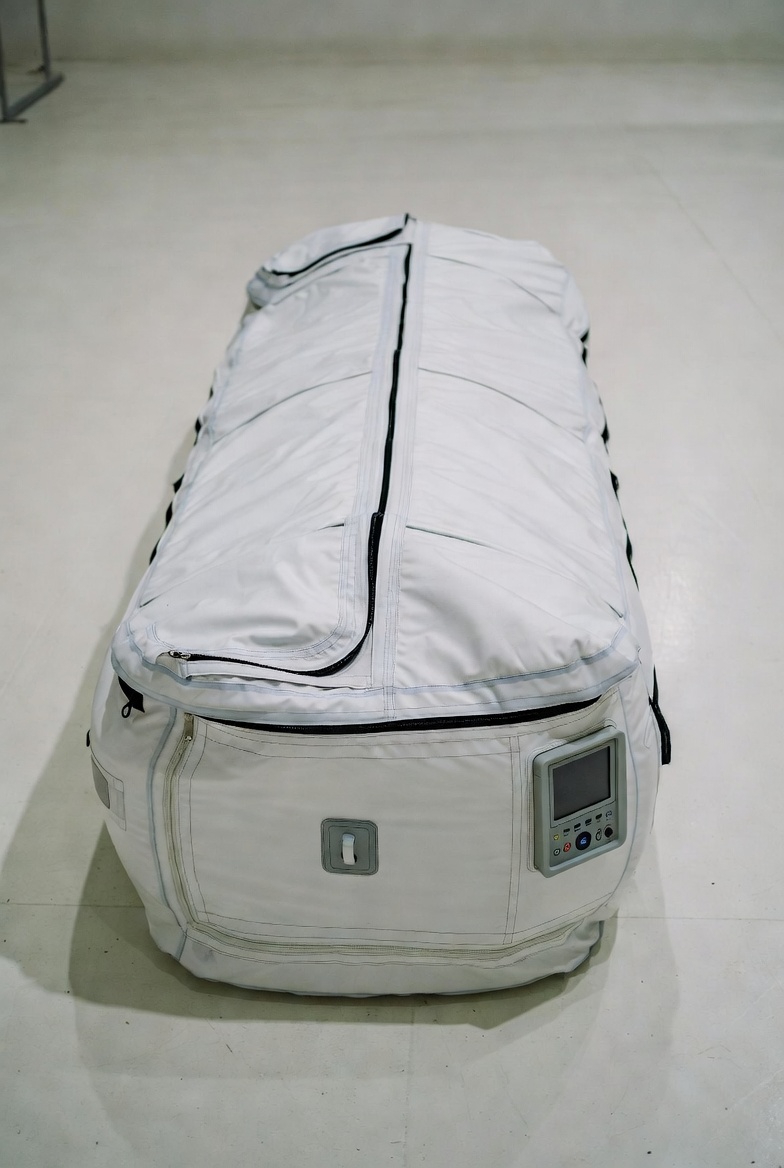
Soft-shell hyperbaric oxygen therapy chamber for home use

Soft-Shell

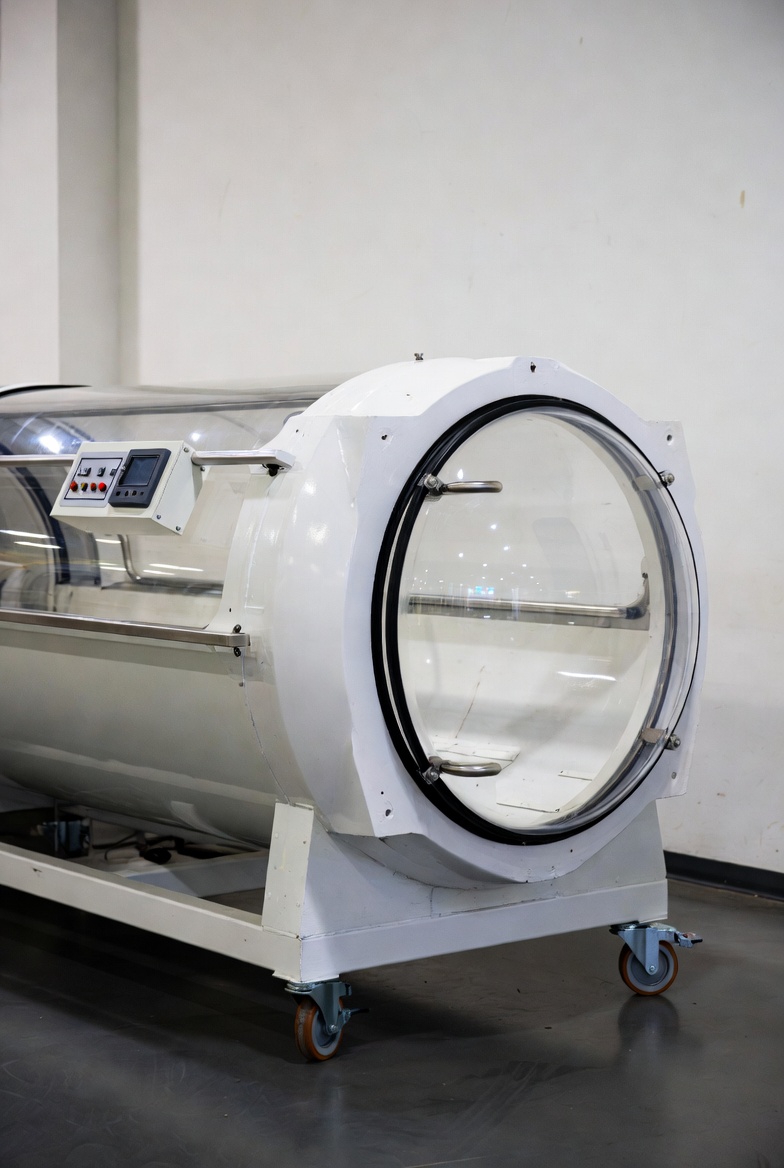
Hard-shell clinical hyperbaric oxygen therapy chamber

Hard-Shell

LiveO2 Soft-Shell HBOT Hard-Shell HBOT
O₂ delivery methodActive — exercise + contrastPassive — low pressurePassive — high pressure
Reaches capillary threshold (12 cc/L)Yes [4]NoNo (insufficient pulse pressure)
Improves VO2 max~17% avg [3]NoNo
Red blood cell productionVia IHT / EPO +49% [2]NoNo
Cardiovascular benefitEvery sessionPassivePassive
Session time15 min60-90 min60-120 min
Results durabilityCapillary repair + fitnessTemporaryTemporary
Ear barotrauma riskNone — no pressureLow (1.3 ATA)9.2-43.2% incidence [6,7]
Claustrophobia / confinementOpen roomSealed chamberSealed chamber
Safe for dementia / childrenNo equalization neededDifficult2.5x barotrauma risk [9]
Session cost$75-$125$150$300+ [15]
Home ownership cost$5,075-$10,500 (one-time)$4,000-$20,000 [16]$30,000-$200,000+ [17]
Regulatory statusExercise equipment (FDA wellness)Class II medical deviceClass II medical device

Two Physicians. Thousands of HBOT Sessions. One Conclusion.
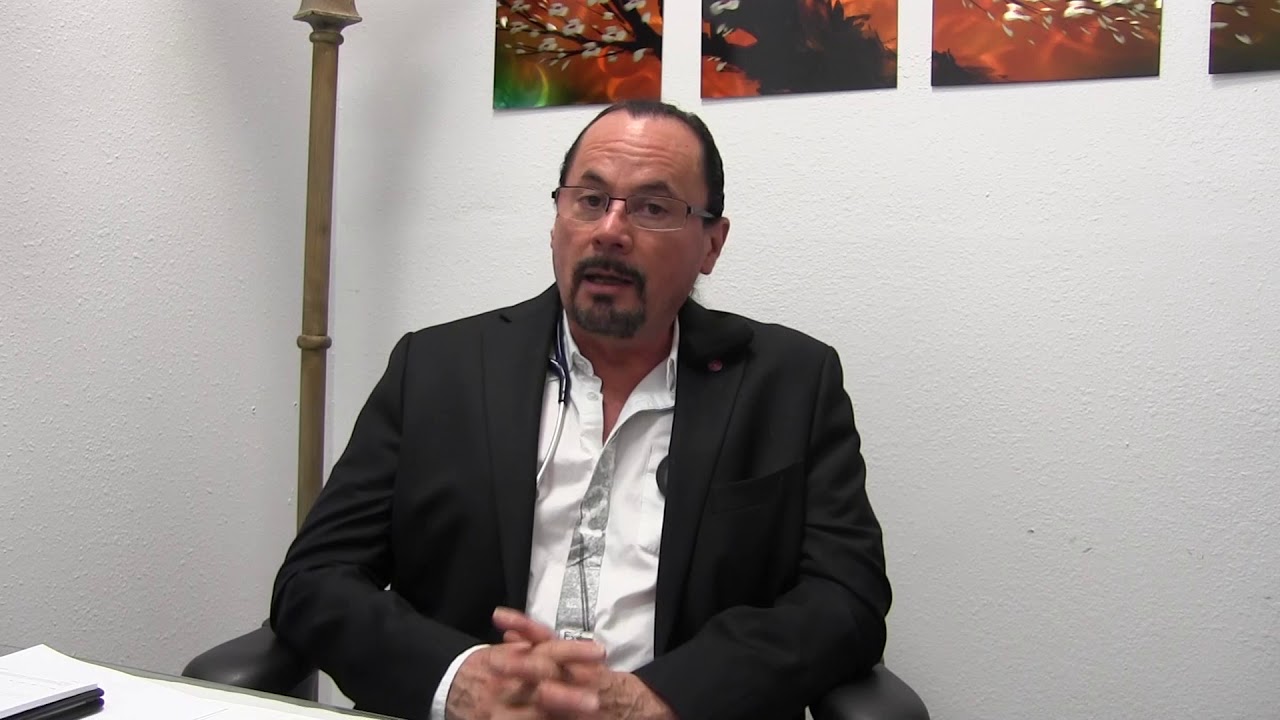
Dr. Mariano Palacios - physician who switched from HBOT to LiveO2

“After 15 years and over 1,000 patients using medical hyperbaric therapy at 2.4 ATA, I switched to LiveO2. The functional results I see — in a fraction of the time — are comparable or better.”

Dr. Mariano Palacios

Internal Medicine — 15 years medical hyperbaric experience

1,000+ HBOT Patients → Switched to LiveO2
Dr. Bauerschmidt - physician who switched from HBOT to LiveO2

“I can do in 15 minutes what it takes an hour and a half to do in a hyperbaric chamber and it works.”

Dr. Bauerschmidt

Physician — Hyperbaric and oxygen therapy specialist

HBOT Practitioner → Switched to LiveO2

Individual results vary. These are personal experiences and not guaranteed outcomes.

Hyperbaric Oxygen Therapy FAQ

It’s the right question — and the answer reveals why dissolved oxygen alone isn’t enough. HBOT does increase plasma oxygen dramatically. But plasma oxygen doesn’t automatically reach tissue. Your capillaries — the tiny vessels that deliver oxygen to cells — are the bottleneck. If they’re damaged, inflamed, or collapsed (which they are in TBI, chronic fatigue, aging, and most conditions people seek HBOT for), that oxygen-rich plasma hits a wall. LiveO2 solves the delivery problem by combining brief hypoxic challenge (which triggers vasodilation — your capillaries physically open) with hyperoxic oxygen at peak exercise (which drives oxygen through those opened vessels with up to 3× the pulse pressure of lying still[5]). The result: oxygen reaches tissue that HBOT’s dissolved oxygen cannot access. It’s not about how much oxygen is in the blood — it’s about how much reaches the cells.
We never recommend against your doctor’s advice. What we do recommend is trying a LiveO2 session before investing $6,000–$200,000 in HBOT. Many physicians who understand oxygen physiology — including Dr. Palacios, who used medical HBOT for 15 years — have incorporated LiveO2 into their practice because the functional outcomes matched or exceeded what they saw with chambers, in a fraction of the time. Bring your LiveO2 results to your doctor and let the data speak.
HBOT has 60 years of institutional momentum, 14 FDA-approved indications[11], hospital infrastructure, and insurance billing codes. LiveO2 is newer and doesn’t have a pharmaceutical-style marketing budget. But the underlying science — oxygen physiology, capillary switching, intermittent hypoxic training — is well-established. LiveO2 just delivers it more effectively by adding exercise-driven pulse pressure to the equation.
LiveO2 is classified as exercise equipment — not a medical device — because it uses no pressure and makes no medical claims. It optimizes the health benefits of exercise through enhanced oxygenation. This means you can own and use it freely without the regulatory requirements, medical supervision, and associated costs of FDA-regulated chambers.
You exercise (bike, treadmill, or elliptical) while breathing through a mask connected to the LiveO2 system. For 10–12 minutes, you alternate between reduced-oxygen air (simulating altitude) and concentrated oxygen. The altitude phase feels like breathing at elevation — slightly challenging but manageable. When you switch to oxygen at peak exertion, most people feel an immediate rush of energy and clarity. The whole session is 15 minutes. Most users report feeling noticeably different after their very first session.
Yes — and this is one of the biggest economic advantages over HBOT. A LiveO2 system is a one-time purchase ($5,075–$10,500) that your entire household can use daily. There are no per-session costs, no consumables to replace, and no scheduling conflicts. Compare that to HBOT, where each family member needs their own sessions at $150–$600 each, or their own $30,000+ chamber.
That’s exactly why we offer a first session on us. Try it. Feel it. Then decide. If you purchase a system and don’t see results, LiveO2 offers a 30-day return policy. But here’s what we’ve found: the people who try it almost always feel a noticeable difference in their first session.

Find Hyperbaric Oxygen Therapy Near You
— Experience LiveO2

15 minutes. No chamber. One session and you’ll feel the difference.

Limited Time Offer

Your First LiveO2 Session — On Us

1 LiveO2 Adaptive Contrast Session
$164
Standard Training Mask (yours to keep)
$75
1-on-1 Oxygen Training Consultation
Included

$239 value

We cover the entire cost

No catch — we want you to experience it firsthand

How It Works

1

Book your session at a certified clinic near you

2

Show up with your workout gear — we handle everything else

3

Get a guided session from a LiveO2 coach

Request Your Introductory Session

Fill out the form and we’ll connect you with a clinic near you.

Zero-Risk Guarantee

No credit card. No obligation. No sales pressure.

You’re All Set!

We’ll reach out shortly to schedule your demo session.

VO₂ Max & Longevity
[1]Mandsager K, et al. “Association of Cardiorespiratory Fitness With Long-term Mortality Among Adults.” JAMA Network Open 1(6) (2018). n=122,007. Low CRF associated with 4× mortality vs. high fitness — strongest predictor of long-term survival. jamanetwork.com
Intermittent Hypoxic Training & Oxygen Delivery Science
[2]Solberg AN, et al. “Short exposure to intermittent hypoxia increases erythropoietin levels in healthy individuals.” J Appl Physiol 131(6) (2021). 8×4-min IH cycles at 80% SpO₂ produced a 49% EPO increase within 4.5 hours. pubmed.ncbi.nlm.nih.gov
[3]von Ardenne M, Klemm W, Klinger J. “Double-blind study on the long-lasting improvement of physical endurance following oxygen-multistep therapy.” Zeitschrift für Alternsforschung 39(1):17-30 (1984). Average 17% improvement in physical endurance; up to 45% in lower-fitness individuals. pubmed.ncbi.nlm.nih.gov
[4]von Ardenne M. Oxygen Multistep Therapy: Physiological and Technical Foundations. Georg Thieme Verlag, Stuttgart (1990). Foundational work on capillary switching mechanism, 12 cc/L tissue oxygen threshold, and exercise-driven oxygen delivery.
Exercise Physiology — Pulse Pressure
[5]Mourot L, et al. “Blood Pressure Response and Pulse Arrival Time During Exercise Testing in Well-Trained Individuals.” Frontiers in Physiology 13:863855 (2022). Peak exercise pulse pressure up to 3× resting values in trained individuals. www.frontiersin.org
Safety & Adverse Events
[6]Zanon V, et al. “Middle ear barotrauma during HBOT: a review of occurrences in 5,962 patients.” Undersea Hyperb Med 46(2) (2019). 9.2% incidence of middle ear barotrauma. pubmed.ncbi.nlm.nih.gov
[7]Pilmanis AA, et al. “Middle ear barotrauma in HBOT patients.” Undersea Hyperb Med 41(5) (2014). 43.2% overall incidence of middle ear barotrauma across 236 patients. pubmed.ncbi.nlm.nih.gov
[8]Xu J, et al. “Adverse effects of HBOT: a systematic review and meta-analysis.” Frontiers in Medicine 10 (2023). Ear discomfort RR=3.38; ocular side effects RR=2.37. pmc.ncbi.nlm.nih.gov
[9]Monoplace HBOT study (296 patients). Altered mental status patients showed 2.5× higher MEB risk (OR 2.50); emergency group 6.75× higher risk. Patients unable to equalize (dementia, children) face significantly elevated barotrauma incidence. www.ncbi.nlm.nih.gov
[10]UHMS. “Side Effects of HBOT.” Claustrophobia: ~2%. Seizures: ~1 in 2,000-3,000. Myopic shift: 25-100% at ≥2.0 ATA. www.uhms.org
HBOT Protocol & Regulatory Data
[11]UHMS. “Indications for Hyperbaric Oxygen Therapy.” (2025). 14 FDA-approved conditions. Standard protocols: 20-60 sessions at 2.0-2.5 ATA, 60-120 min each. www.uhms.org
[12]Sheffield PJ, et al. “Hyperbaric and hypobaric chamber fires: a 73-year analysis.” Undersea Hyperb Med 24(3) (1997). 77 fatalities in 35 fires. pubmed.ncbi.nlm.nih.gov
[13]U.S. FDA. “Safety Communication: Fire Risks with HBOT Devices.” (August 2025). www.fda.gov
[14]Stateline/Pew Research. “Deaths prompt lawmakers to consider new HBOT rules.” (Sept 2025). ~1,200 programs; only 140 accredited by UHMS. stateline.org
Pricing
[15]HBOT clinic sessions: $150-$650/session. Sources: Thervo 2025, HBOTGuide 2025. thervo.com
[16]Soft-shell chambers: $4,000-$20,000 (1.3-1.5 ATA). www.rehabmart.com
[17]Hard-shell chambers: Home $20,000-$70,000+; clinical $80,000-$150,000+. strengthwarehouseusa.com

LiveO2 is exercise equipment. Individual results vary. Not intended to diagnose, treat, cure, or prevent any disease. Consult your physician before beginning any exercise or oxygen training program.

Find a Location Near You

15 minutes. No chamber. One session and you’ll feel the difference.