
Rourke Chartier: 6.5% Body Fat + Concussion Recovery
An NHL center went to Colorado to recover from concussions. He walked away with elite VO2 capacity, record-low body fat, and a training edge nobody else in the league had.
Rourke Tells His Story
From concussion protocol to career-best performance — an NHL player’s LiveO2 journey.
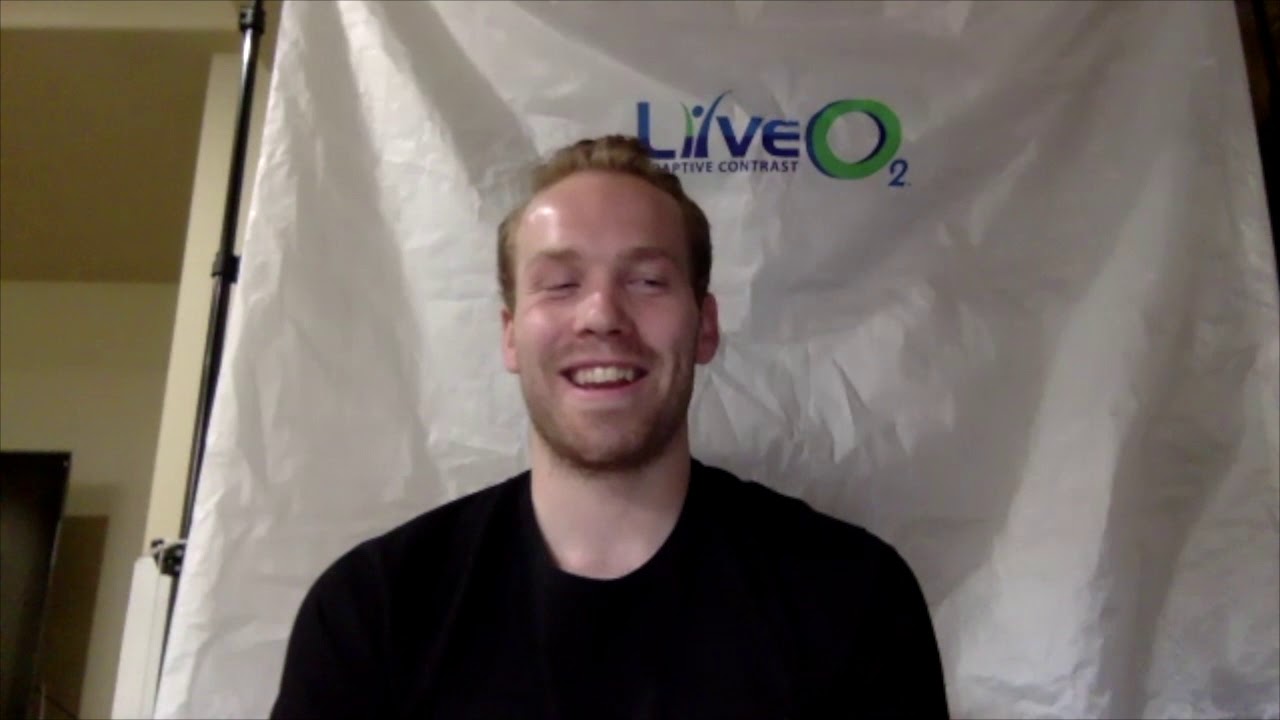
Rourke Chartier is a professional hockey player who played center in the NHL. After being sidelined by concussions, he traveled to Colorado to train directly with LiveO2 inventor Mark Squibb. What happened next changed his career.
The Concussion Problem
Concussions are the most feared injury in professional hockey. Not because of the hit — because of what comes after.
Brain fog. Fatigue. Headaches that don’t quit. Reaction time that drops off a cliff. For a player who depends on split-second decisions at full speed, even a small cognitive lag means the difference between making the roster and going home.
Rourke Chartier had a history of concussions. The standard protocols weren’t cutting it. Rest and time are the typical prescription. But when your career has a window, you can’t afford to wait months for your brain to sort itself out.
He needed something that would accelerate the process. Something that would get oxygen back into the brain tissue that had been starved by injury-related inflammation and vascular damage.
That’s what brought him to LiveO2.
Training with the Inventor
Rourke didn’t just buy a system and figure it out at home. He flew to Colorado to train directly with Mark Squibb — the inventor of LiveO2’s Adaptive Contrast technology.
That matters. Because concussion recovery isn’t the same as general fitness training. The brain is the most oxygen-hungry organ in the body. It uses roughly 20% of your total oxygen supply. When circulation is impaired by post-concussion inflammation, the brain is the first organ to suffer.
LiveO2’s Adaptive Contrast protocol was designed for exactly this scenario. The hypoxic phase forces blood vessels to dilate. Nitric oxide floods the system. Heart rate climbs. Then the switch to high-oxygen air pushes saturated plasma into areas that normal breathing can’t reach — including damaged brain tissue.
Research confirms that targeted oxygen delivery can support neurological recovery after traumatic brain injury (PubMed: 24289313).
The Accidental Side Effect: 6.5% Body Fat
Rourke went to Colorado for his brain. His body had other plans.
While training with LiveO2, his body composition shifted dramatically. His body fat percentage dropped to 6.5%. That’s elite-level lean. The kind of number that bodybuilders chase for competition day and can barely hold for a week.
He wasn’t dieting for it. He wasn’t doing extra cardio. The oxygen training was driving his metabolism so hard that fat was simply burning off as a side effect of the increased cellular energy production.
When your mitochondria are running on full oxygen supply, your body burns fuel more efficiently. Fat loss becomes a byproduct of better cellular function.
This aligns with what researchers have observed: enhanced oxygen availability during exercise increases fat oxidation rates and improves metabolic efficiency (PubMed: 17482363).
VO2 Capacity That Set Him Apart
Body composition was one thing. VO2 capacity was another.
VO2max is the gold standard for aerobic fitness. It measures how much oxygen your body can use during maximum effort. In professional hockey, it’s the difference between dominating the third period and gassing out in the second.
After training with LiveO2, Rourke’s VO2 capacity jumped. The Adaptive Contrast protocol effectively trains your body to absorb and use more oxygen under stress — which is exactly what happens during a hockey game.
Higher VO2max means more endurance. More speed in the final shift. Faster recovery between shifts. The ability to play at full intensity when everyone else is fading.
For an NHL player trying to stand out in a league where the margins are razor-thin, that’s not a nice-to-have. It’s a career advantage.
Why Concussion Recovery and Performance Go Together
Here’s the part most people miss about Rourke’s story.
He didn’t have to choose between recovering his brain and training his body. LiveO2 did both at the same time.
The same Adaptive Contrast cycle that drives oxygen into damaged brain tissue also floods working muscles with plasma-dissolved oxygen. The same nitric oxide burst that opens cerebral blood vessels also opens peripheral circulation.
So while his brain was healing, his VO2 capacity was climbing. While his concussion symptoms were clearing, his body fat was dropping. While his cognitive function was coming back online, his endurance was setting new personal records.
That’s what happens when you fix the root problem. Oxygen isn’t just for the brain or just for the muscles. It’s for everything. When you flood the entire system, everything improves at once.
“When you address oxygen delivery at the systemic level, you don’t have to choose which problem to solve first. The body handles the prioritization on its own.”
— Mark Squibb, Inventor of LiveO2What This Means for You
You don’t have to be an NHL player to benefit from what Rourke experienced.
The same oxygen delivery system that accelerated his concussion recovery works for anyone dealing with brain fog, fatigue, or cognitive sluggishness. The same metabolic boost that dropped his body fat works for anyone whose energy production has stalled.
If you’re an athlete: LiveO2 can push your VO2max higher and keep your body lean without extra cardio or restrictive dieting.
If you’re recovering from a head injury: Oxygen delivery to the brain is the limiting factor in neurological recovery. LiveO2’s Adaptive Contrast is designed to maximize exactly that.
If you just want more energy: When your cells have the oxygen they need, everything works better. Thinking. Moving. Recovering. Sleeping.
Rourke came for concussion recovery. He left with a competitive advantage that nobody else in the league had. And it all started with 15 minutes on a bike.
Common Questions
LiveO2’s Adaptive Contrast protocol drives oxygen-saturated plasma into brain tissue that may be oxygen-deprived due to post-concussion inflammation. Rourke Chartier used it as part of his recovery protocol and experienced accelerated cognitive improvement. Always consult a healthcare professional for concussion management. Learn about the BrainO2 protocol.
When your mitochondria receive adequate oxygen, they burn fuel more efficiently. This can increase fat oxidation during and after exercise. Rourke reached 6.5% body fat while primarily targeting concussion recovery — the body composition change was a byproduct of improved metabolic function.
VO2max measures the maximum amount of oxygen your body can use during peak effort. LiveO2’s Adaptive Contrast trains your cardiovascular system to absorb and deliver more oxygen under stress, which can raise your aerobic ceiling over time. See the VO2Max protocol.
Yes. LiveO2 is used by NHL players, Olympic athletes, and elite training facilities. Rourke Chartier trained directly with LiveO2 inventor Mark Squibb in Colorado as part of his return-to-play protocol.
Most users report noticeable changes — improved energy, clearer thinking, faster recovery — within the first few sessions. Performance-level improvements in VO2 capacity and body composition typically build over weeks of consistent training. More on the timeline.