
Dr. Rowen on LiveO2 Oxygenation
An ozone therapy pioneer explains why active oxygen delivery changes everything — and why most doctors have it backwards.
Dr. Rowen on LiveO2 & Oxygenation
Dr. Rowen connects the dots between ozone therapy, free radicals, and why your cells need fire — not just air.
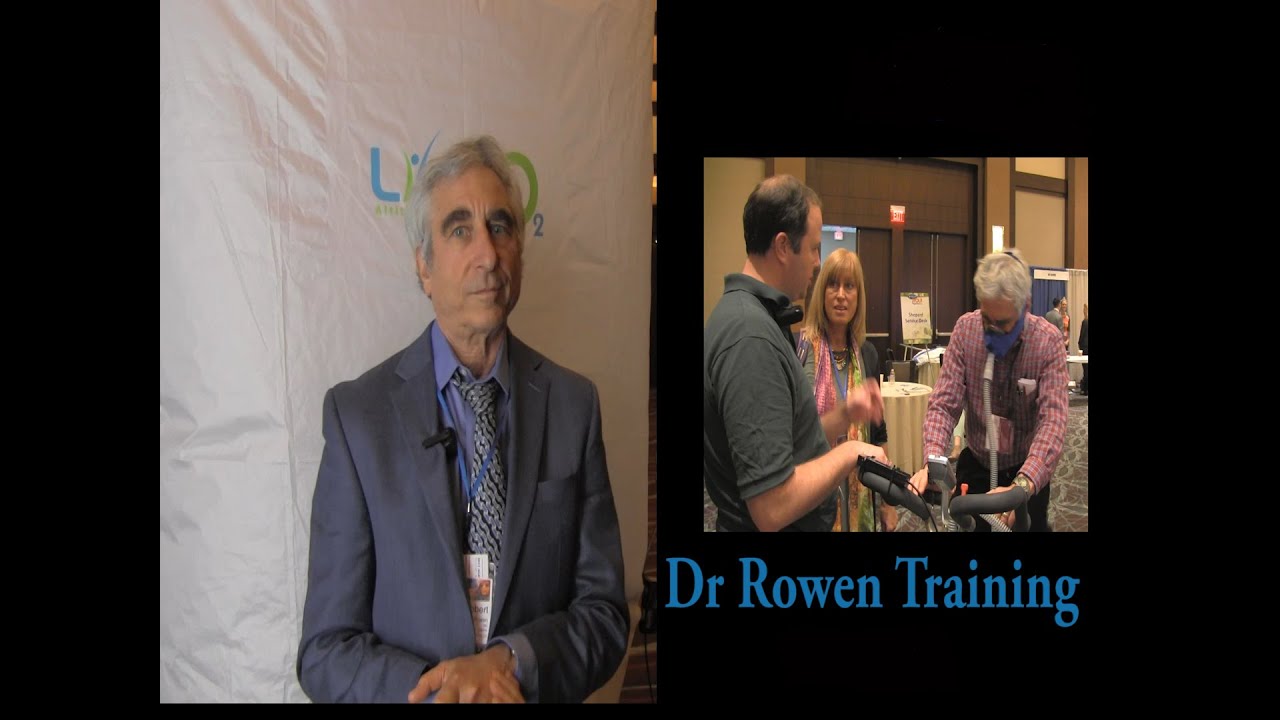
Dr. Robert Rowen is one of the world’s most respected ozone therapy practitioners. He has spent decades studying how oxygen drives healing at the cellular level. His take on LiveO2 cuts straight to the mechanism most doctors never learned.
Oxidation Is Fuel, Not Damage
Here’s what most people get wrong about oxygen. They think oxidation is bad. They buy antioxidant supplements. They try to stop the very process that keeps them alive.
Dr. Rowen flips that on its head. Oxidation is combustion. It’s the fire inside your cells that creates energy. Without it, nothing works. Your mitochondria can’t produce ATP. Your immune cells can’t kill pathogens. Your brain can’t think.
Think of it this way. A campfire needs fuel, heat, and oxygen. Take away the oxygen and the fire dies. Your cells work exactly the same way. When oxygen delivery drops, your cellular “fire” dims. Energy drops. Immune function weakens. Healing slows to a crawl.
Research published in Redox Biology confirms that controlled reactive oxygen species (ROS) are essential signaling molecules for immune response and cellular repair (PubMed 26432659).
More from Dr. Rowen: Oxidation & Healing
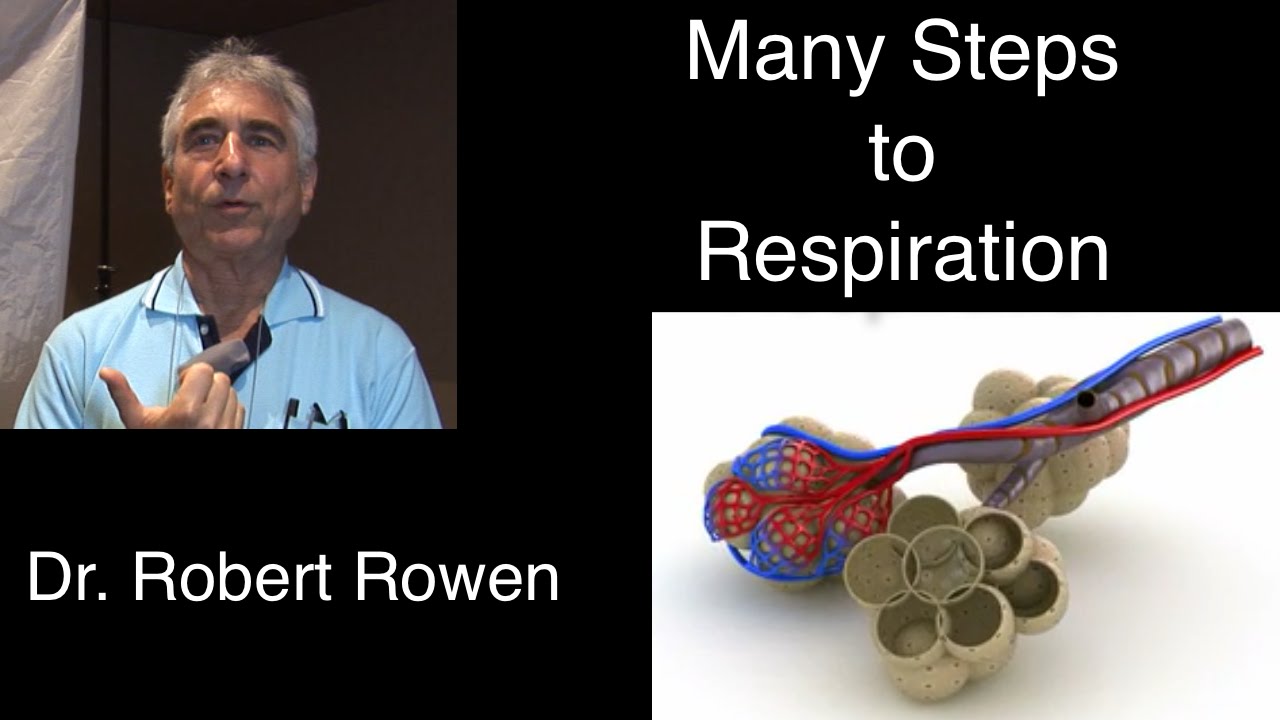
The Transport Problem Nobody Talks About
Every doctor learns about cell respiration in medical school. It’s taught before anything else. Yet almost nobody considers it when treating patients.
Dr. Rowen asks the obvious question: How can any treatment work on a body that isn’t getting enough oxygen?
“Don’t assume the oxygen transport pathway works. If it did, your patient probably wouldn’t be sick.”
— Dr. Robert Rowen, MDThe problem isn’t that your lungs can’t absorb oxygen. They can. The problem is getting that oxygen through damaged, inflamed, or constricted blood vessels to the tissue that needs it. Age, injury, and chronic inflammation all narrow those pathways.
The arteriovenous oxygen differential — the gap between oxygen in your arteries and oxygen in your veins — is one of the strongest indicators of health and longevity. A wide gap means your tissues are pulling oxygen efficiently. A narrow gap means something is broken in the delivery chain.
Active vs. Passive Oxygenation
This is where Dr. Rowen draws the critical line. There are two ways to get more oxygen into tissue. You can push it in passively — lying in a chamber. Or you can pull it in actively — by exercising while breathing concentrated oxygen.
Passive oxygenation relies on pressure to diffuse oxygen through tissue. You lie still. The chamber does the work. It takes over an hour per session. The oxygen mainly reaches your lungs and blood plasma.
Active oxygenation with LiveO2 uses exercise to open blood vessels wide. Your heart rate climbs. Blood flow increases. Then you switch to high-concentration oxygen at peak flow. The result: oxygen floods into tissue that passive methods can’t reach.
15 minutes of active oxygen training can deliver 6x normal tissue oxygen levels — based on the Ardenne protocol research. That’s more than most passive approaches achieve in over an hour.
A study in the Journal of Applied Physiology demonstrated that exercise increases oxygen extraction ratio by 300–400% compared to rest, confirming that active delivery far outpaces passive diffusion.
Dr. Rowen: Active vs. Passive Oxygen
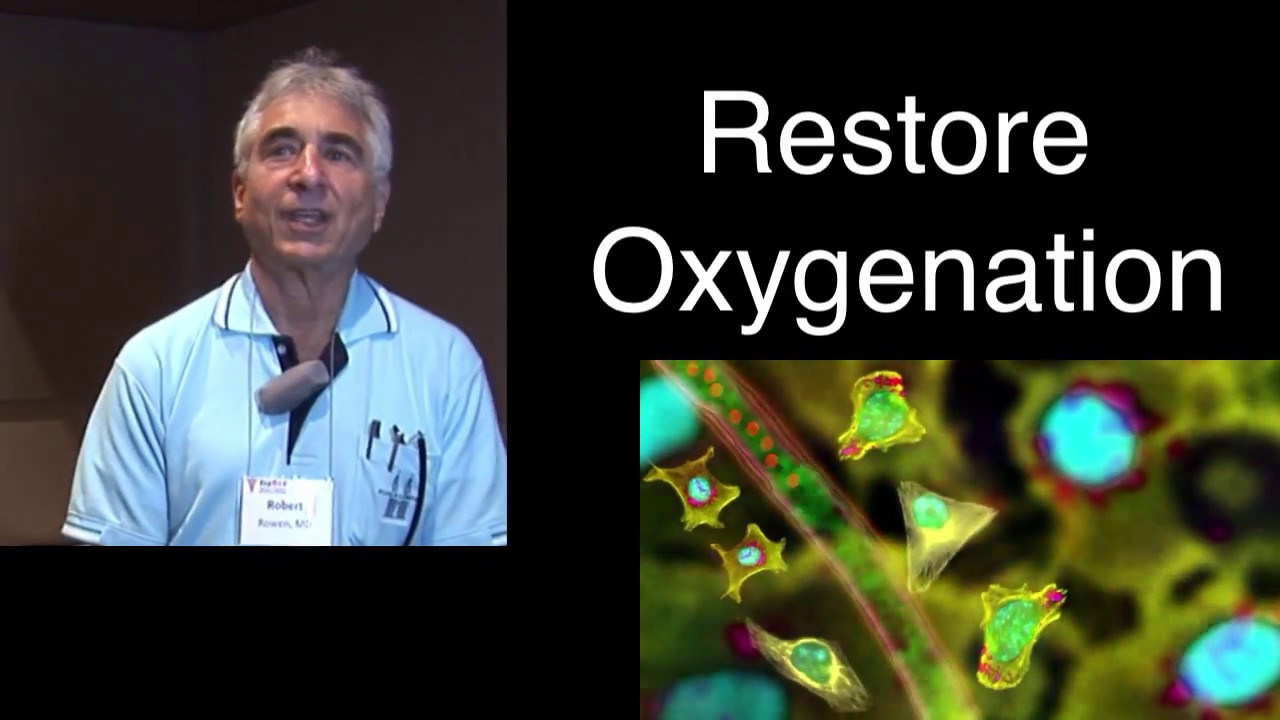
Why Ozone Doctors Get It
Dr. Rowen’s background in ozone therapy gives him a unique lens on LiveO2. He already understands that reactive oxygen species aren’t the enemy. They’re tools. Your immune system manufactures free radicals on purpose to destroy bacteria, viruses, and damaged cells.
Ozone therapy works by triggering a controlled oxidative stress response. The body adapts. It upregulates its own antioxidant defenses. It becomes stronger.
LiveO2’s Adaptive Contrast does something similar. The brief switch to low oxygen creates a challenge. Blood vessels dilate. The body panics slightly. Then you switch to high oxygen and flood those wide-open vessels. The combination creates a training effect that builds on itself over time.
Doctors who already work with ozone recognize this pattern immediately. It’s the same principle — controlled stress followed by supercompensation — applied through a different delivery system.
Dr. Rowen: Why Ozone Doctors Choose LiveO2
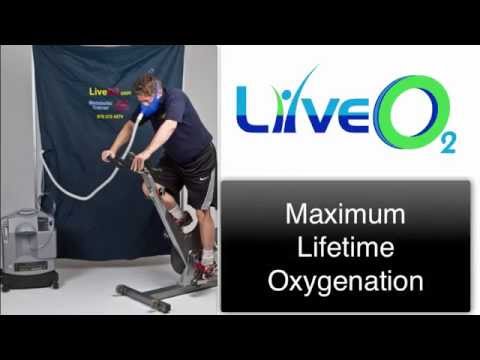
The Bottom Line for Practitioners
Dr. Rowen’s message is simple. Re-oxygenation is a prerequisite for any successful therapy. You can prescribe the best supplements, run the most advanced protocols, use cutting-edge technology. But if the body can’t deliver oxygen to the cells that need it, results will always be limited.
Fix the oxygen delivery problem first. Then everything else works better.
That’s not opinion. That’s physiology. And it’s what 15 minutes on a LiveO2 system addresses — the root transport issue that most treatments simply work around.
Health improvements are usually noticeable within the first week. Men typically gain about 50 watts of aerobic output — equivalent to rolling back performance age by roughly 20 years.
Common Questions
Dr. Robert Rowen is a physician known internationally for his pioneering work in ozone therapy and oxidative medicine. He has decades of clinical experience using oxygen-based treatments to support immune function and healing.
Passive oxygenation uses pressure to push oxygen into blood plasma while you rest. Active oxygenation uses exercise to open blood vessels and pull oxygen deep into tissue. Active delivery reaches areas that passive methods often miss.
LiveO2 sessions take about 15 minutes and use exercise to drive oxygen into tissue at up to 6x normal levels. Passive chamber sessions typically last over an hour and rely on pressure-based diffusion. LiveO2 requires physical effort — it does not work without exercise.
Adaptive Contrast is LiveO2’s method of alternating between low and high oxygen concentrations during exercise. The low-oxygen phase triggers blood vessel dilation. The high-oxygen phase floods those open vessels with concentrated oxygen. Learn more about the mechanism.
No. LiveO2 works with any level of exertion that raises your heart rate. Walking on a treadmill, gentle cycling, or using an elliptical are all enough. The system scales to your fitness level. Learn about exercise intensity.
White blood cells use reactive oxygen species (free radicals) to destroy pathogens. Without sufficient oxygen, immune cells cannot generate the oxidative burst needed to fight infections. Better oxygen delivery means stronger immune response.