
Why Mark Squibb Started LiveO2
A family crisis. An engineering mind. And a discovery that changed everything.
Hear It From Mark
Mark Squibb explains why he built LiveO2 — in his own words.
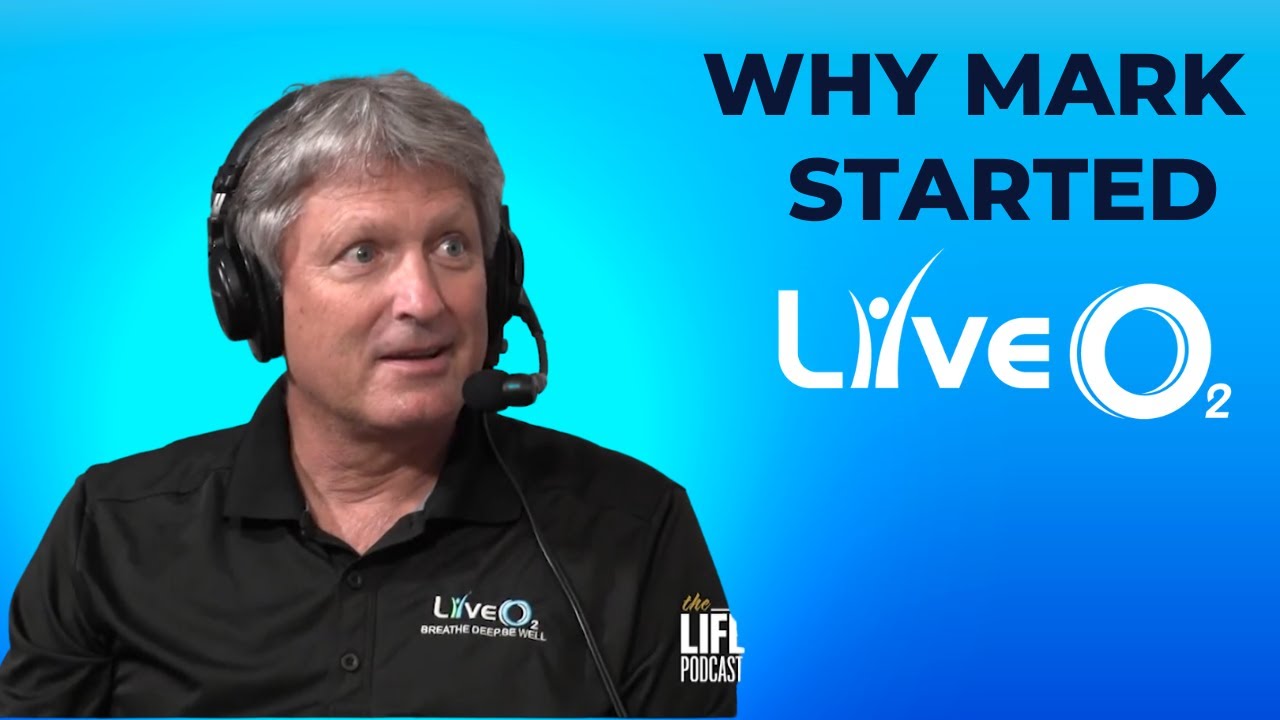
Mark didn’t start LiveO2 to build a business. He started it because someone in his family got hurt — and nothing on the market could fix the problem.
It Started With Family
Mark Squibb is an electrical engineer. Not a doctor. Not a biologist. An engineer who thinks in systems — power, plumbing, cause and effect.
Then his family got sick. One of his children suffered a neurological injury. And Mark started noticing his own body slowing down faster than he wanted.
“Some people in my family got sick and then one of my kids had a neurological injury. I had been looking at oxygen for personal use because I was getting old faster than I wanted to.”
— Mark Squibb, LiveO2 FounderHe didn’t accept it. He went looking for answers.
As an engineer, he asked a simple question: If the body runs on oxygen, why isn’t anyone fixing the delivery system?
The Discovery That Changed Everything
Mark’s research led him to the work of Manfred von Ardenne — a German physicist who spent decades studying how oxygen actually moves through the body.
Von Ardenne discovered something most doctors miss. The problem isn’t getting oxygen into the lungs. The problem is getting oxygen from the lungs to the tissues.
“What he had discovered is that if you install enough oxygen into the water part of the blood then it works like a vascular decongestant.”
— Mark Squibb, LiveO2 FounderVon Ardenne documented this in his research: if you raise dissolved oxygen in the blood plasma to roughly 4 times normal, tissues heal — even in areas where circulation is restricted. A peer-reviewed study on oxygen multistep therapy confirmed that increased plasma oxygen supports tissue recovery in congested vasculature.
Most oxygen therapies miss this. They get oxygen to the lungs. But the lungs aren’t the bottleneck. The vascular system is the bottleneck.
An Engineer’s Approach to Oxygen
Mark saw the body the way an engineer sees any system. Input. Output. Bottleneck.
Your cells need oxygen to make energy. When they don’t get enough, they don’t die right away. They go dormant. Mark calls this ischemic dormancy.
“Rather than dying that tissue will just go dormant — gone to life. Tissues will stay offline or stay dormant for a decade. And when you turn the oxygen back on they just come back to life.”
— Mark Squibb, LiveO2 FounderThink about that. Tissues in your brain, muscles, and organs that have been shut off for years. Not dead. Just waiting for oxygen.
Tissues starved of oxygen don’t always die. They go to sleep. Restore the oxygen — and they wake up.
This is what Mark set out to fix. Not with drugs. Not with surgery. With better oxygen delivery. A study in Frontiers in Neuroscience showed that oxygen-rich environments may support neuroplasticity and tissue recovery in the brain.
Building the Solution
Mark combined three ideas that nobody else had put together:
Exercise Creates Pressure
When you exercise, your heart pushes roughly 3x more blood through your body. That extra pressure forces open tiny capillaries that stay shut when you’re sitting still.
Contrast Opens Pathways
Breathing low oxygen triggers your body to push even harder. Then you switch to high oxygen. The contrast floods pathways your body just forced open.
Plasma Saturation Heals
When dissolved oxygen in the plasma hits 4x normal, it reaches tissues that hemoglobin can’t. Even congested areas get oxygen.
That became LiveO2. A system you use at home, on a bike or treadmill, for 15 minutes at a time.
No chamber. No clinic visits. No waiting. Just Adaptive Contrast — the method Mark invented to get oxygen where it actually needs to go.
Why This Matters
Mark didn’t start with a business plan. He started with a sick kid and an aging body.
He built LiveO2 for his family first. Then other families asked for it. Then clinics. Then athletes. Then researchers.
Today, LiveO2 is used in homes, clinics, and gyms around the world. The technology has evolved — but the mission hasn’t changed.
Get oxygen where the body needs it. Let the body do the rest.
If you’re dealing with brain fog, fatigue, slow recovery, or just feeling like your body isn’t performing the way it should — you’re asking the same question Mark asked. And the answer might be the same one he found.
Frequently Asked Questions
Mark Squibb is the founder and inventor of LiveO2. He has a background in electrical engineering and built the LiveO2 system after family health challenges led him to research oxygen delivery.
Mark started LiveO2 after family members got sick and one of his children suffered a neurological injury. He was also noticing his own body aging faster than he wanted. He went looking for a better way to deliver oxygen to tissues.
Ischemic dormancy is Mark’s term for tissues that lose their blood supply but don’t die. Instead, they go dormant — sometimes for years. When oxygen is restored, these tissues may come back to life and resume normal function.
Manfred von Ardenne was a German physicist who spent decades researching how oxygen moves through the body. His work on oxygen multistep therapy documented how raising dissolved plasma oxygen to 4x normal allows tissues to heal — even in areas with restricted circulation. Mark built on von Ardenne’s research when creating LiveO2.
LiveO2 uses Adaptive Contrast — you exercise while switching between low and high oxygen. Exercise creates pressure. Low oxygen forces your body to open pathways. High oxygen floods those open pathways. Sessions take 15 minutes on a bike or treadmill.
Users report improvements in brain fog, energy levels, cognitive function, athletic recovery, and sleep quality. LiveO2 is used by people dealing with aging, brain injuries, chronic fatigue, and athletes looking to improve performance. As always, consult your physician before starting.
Yes. LiveO2 is designed for home use. You connect it to a bike or treadmill and train for 15 minutes. No clinic appointments. No recurring session fees. One system for the whole family.