
How Hard Do You Need to Exercise with LiveO2?
Not hard at all. If you can raise your heart rate by 8 beats, that’s enough.
Hear It from the Inventor
Mark Squibb explains why LiveO2 exercise intensity is relative — not absolute.
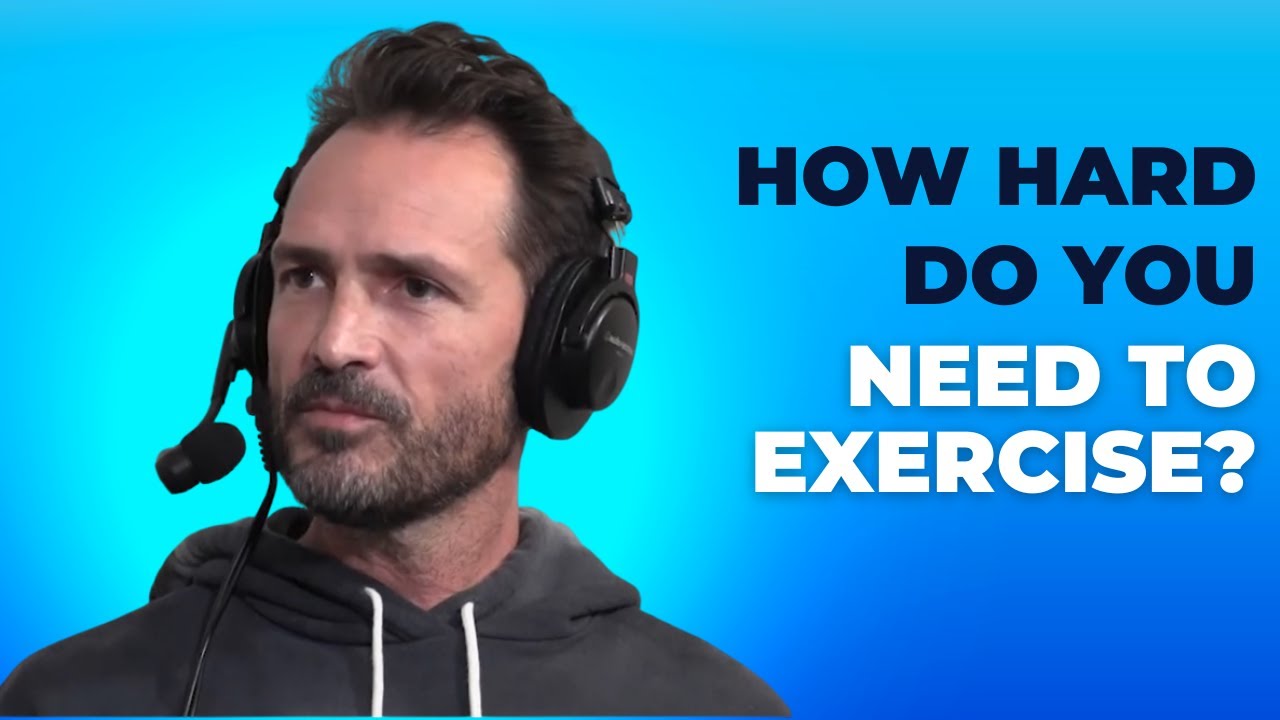
Most people think oxygen training means going all-out on a bike. It doesn’t. LiveO2’s Adaptive Contrast system adjusts to your fitness level. The oxygen does the heavy lifting — not you.
The Short Answer: Not Very Hard
Here’s what surprises everyone.
You don’t need to crush yourself. You don’t need to sprint. You don’t need to sweat through your shirt.
If your resting heart rate is 72, any exercise that brings it up to 80 will produce results. That’s it. A slow pedal on a stationary bike. A gentle walk on a treadmill. Enough to get your blood moving a little faster.
“If you’ve got a base heart rate of 72, anything that’ll bring your heart rate up to 80 will produce physiological results.”
— Mark Squibb, LiveO2 InventorWhy? Because the oxygen contrast — switching between low and high O2 — does most of the work. Exercise just opens the door. Even light movement increases blood flow to muscles and forces open capillaries that stay shut at rest.
Why Low Intensity Still Works
Traditional training needs high effort to get results. That’s because you’re relying on your body alone.
LiveO2 is different. The system switches you between low oxygen and high oxygen. That switching — called Adaptive Contrast — forces your body to open circulation pathways. Then floods them with concentrated oxygen.
The exercise? It just needs to do one thing: raise your heart rate enough to push more blood through those pathways.
Move a Little
Any exercise that raises your heart rate. A bike. A treadmill. Even walking. Your body pushes more blood.
The Oxygen Switches
Low O2 opens capillaries. High O2 floods them. You flip the switch when you’re ready.
Your Body Adapts
Tissues that haven’t had proper oxygen flow in years get saturated. You get stronger session after session.
Research shows that even low-intensity treadmill exercise improves arterial blood oxygenation and walking distance in older adults. Combine that with LiveO2’s oxygen contrast and the results multiply.
You’ll Naturally Get Stronger
This is the part people don’t expect.
Most users start easy. Really easy. Gentle pedaling. Low resistance. They do that for a couple of months.
Then something changes. They feel different. Stronger. They start looking at themselves in the mirror and thinking: I can push a little harder today.
“They walk by the mirror and they look at themselves like, oh gosh, I’m sick, life sucks. A month later they’re looking, yeah, I got some kick. And they start turning it up.”
— Mark Squibb, LiveO2 InventorThat’s the cycle. Start easy. Get stronger. Want more. Push a little harder. Get even stronger.
It’s like a rusty hinge. The first few times, it barely moves. But the more you work it, the smoother it gets. Your physiology adjusts. Your body remembers what it felt like to be strong.
The Simplest Training Instructions You’ll Ever Get
Once users get comfortable with the system, the instructions are dead simple:
That’s it. Move back and forth between high and low oxygen based on how you feel.
“Train on the oxygen. If you get bored, throw the switch. Train on the low oxygen until your ass is kicked. Then flip back.”
— Mark Squibb, LiveO2 Inventor“Bored” and “kicked” are relative. For a 75-year-old recovering from surgery, that might mean 2 minutes of gentle pedaling before flipping. For a 25-year-old athlete, it might mean 4 minutes of hard sprinting.
That’s the whole point. The system adapts to you. That’s why it’s called Adaptive Contrast.
Every Fitness Level. Same System.
LiveO2 works the same way for everyone. The effort is relative to you — not to some standard.
Seniors & Recovery
Gentle pedaling at low resistance. Heart rate up 8–10 beats. That’s enough to see real changes.
Chronic Fatigue & Long COVID
Start where you are. The oxygen contrast does most of the work while your body rebuilds. Learn more.
Weekend Warriors
Moderate effort. 15 minutes, 3x per week. Better recovery, more stamina, sharper thinking.
Pro Athletes
Push hard. Sprint intervals with oxygen switching. A different starting point — same relative benefit. See the VO2Max protocol.
“If you take a high performance pro athlete that’s 25 years old at the top of their game — their baseline for this type of training is going to be obviously much different than an older person. But they’re each going to subjectively get the same net benefit according to their physiology and their current standard capacity.”
— Mark Squibb, LiveO2 InventorFrequently Asked Questions
Not hard at all. Any exercise that raises your heart rate by 8–10 beats above resting is enough. For most people, that means gentle pedaling on a stationary bike or a slow walk on a treadmill. The oxygen contrast does the heavy lifting.
Yes. Many LiveO2 users are seniors. The system adapts to any fitness level. If you can pedal a bike slowly or walk on a treadmill at the lowest speed, that’s enough. Most start easy and naturally increase effort over weeks as they get stronger.
Yes — relative to their starting point. A pro athlete’s baseline is higher, so their effort level is higher. But the oxygen contrast creates the same relative physiological challenge. Both groups improve according to their current capacity. See the VO2Max protocol.
A stationary bike or treadmill works best. You exercise with a mask connected to the LiveO2 system. Any exercise that raises your heart rate is fine — the key is movement, not specific equipment.
15 minutes per session. Most protocols call for 3 sessions per week. You switch between low and high oxygen based on how you feel — no complicated timing or intervals to memorize.
When it feels right. Train on high oxygen until you feel ready for a challenge. Switch to low oxygen until you feel fatigued. Then switch back. The timing is based on your comfort and capacity — not a stopwatch. Learn more about the Adaptive Contrast method.
Yes. Most users report noticeable improvement within 4–8 weeks. As your body adapts, you’ll naturally want to push harder. The system grows with you — beginners and athletes use the same equipment with different effort levels.
Basic EWOT systems only deliver high oxygen. LiveO2 adds the contrast — switching between low and high O2 — which means you get more benefit from less effort. The oxygen contrast, not the exercise intensity, drives the results. See the full comparison.