
The Super Glue Junkie: How Altitude Caused 30 Years of Foot Cracks
30 years of painful heel fissures. Dozens of creams, two feet full of super glue. The answer wasn’t dry skin — it was altitude. And 15 minutes on the first LiveO2 system fixed it the next morning.
The Mystery Nobody Could Solve
My name is Mark, and I was a super glue junkie for about 30 years. Heel fissures — deep cracks in the skin on my feet — caused pain with every step. If I didn’t super-glue them shut, walking hurt.
I tried every cream. I scrubbed. I moisturized. The popular answer was always “dry skin” — which was both wrong and useless. The cracks kept coming back.
What made it strange: the cracks had a pattern. They got worse with stress. They healed on vacation. They disappeared on business trips to sea level. They returned a couple weeks after coming home.
None of the dry-skin explanations accounted for any of that.
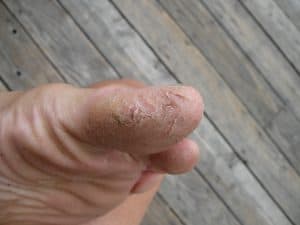
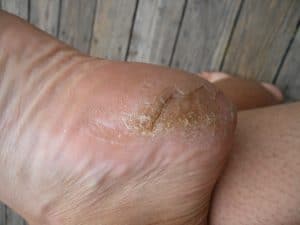
“A great, nearly lifelong mystery governed the grimace of about one in four of the steps I took my whole life.”
— Mark, LiveO2 founderThe Clue That Changed Everything
A trip to Cleveland broke the pattern. Two Myers Cocktails and a week at low altitude — when Mark returned home, the cracks were gone. Replaced with healthy pink skin underneath the peeling remnants of old tissue.
That was reproducible. And it was explainable.
The Cleveland Equation
Colorado (Home)
7,500 feet altitude. Roughly 1/3 less atmosphere than sea level. Every breath delivers significantly less oxygen than at sea level.
Cleveland (Sea Level)
Full atmospheric pressure. Same as spending a week in a mild hyperbaric environment. Feet healed completely within the week.
The altitude was the variable. Living at 7,500 feet meant chronic, low-grade oxygen deficit — not enough to feel dramatically different day-to-day, but enough to compromise how the body repairs tissue under the skin of the feet.
Von Ardenne’s Callus Reflex
Working with Manfred von Ardenne’s oxygen research at the time, Mark found the mechanism: the callus reflex.
How Hypoxia Causes Poor-Quality Skin
Stress of any kind — work pressure, life events, physical strain — triggers inflammation. Inflammation triggers accelerated cell growth. Under normal oxygen levels, those new cells are healthy and organized. Under hypoxic conditions, they’re rushed, poorly constructed, and structurally weak.
Weak cells crack under mechanical stress. The heels — weight-bearing surfaces — feel it first. Stress precedes cracks by about two weeks because that’s how long it takes the poor-quality cells to grow in and fail.
Sea level healed the feet not because of rest or humidity — but because full atmospheric oxygen allowed the body to grow decent cells. High altitude grew bad ones. The super glue was just the patch on a biology problem.
15 Minutes on the First LiveO2 System
After the Cleveland trip, Mark returned home. Let his feet crack again — just enough to break out the super glue. Then he stepped onto the first LiveO2 system he had built.
15 minutes.
What Happened
Day 0 (session day): 15-minute LiveO2 session. Feet were cracked. Super glue had been applied.
Next morning: The red zone of inflammation around the heels — gone. Completely.
Next several days: Poor quality skin began to erode. Healthy tissue underneath visible.
Following 6 months: No fissures. No super glue. The problem did not return.
Ongoing maintenance: When the telltale redness reappears on the soles — time for another session. “That fixes it every time.”
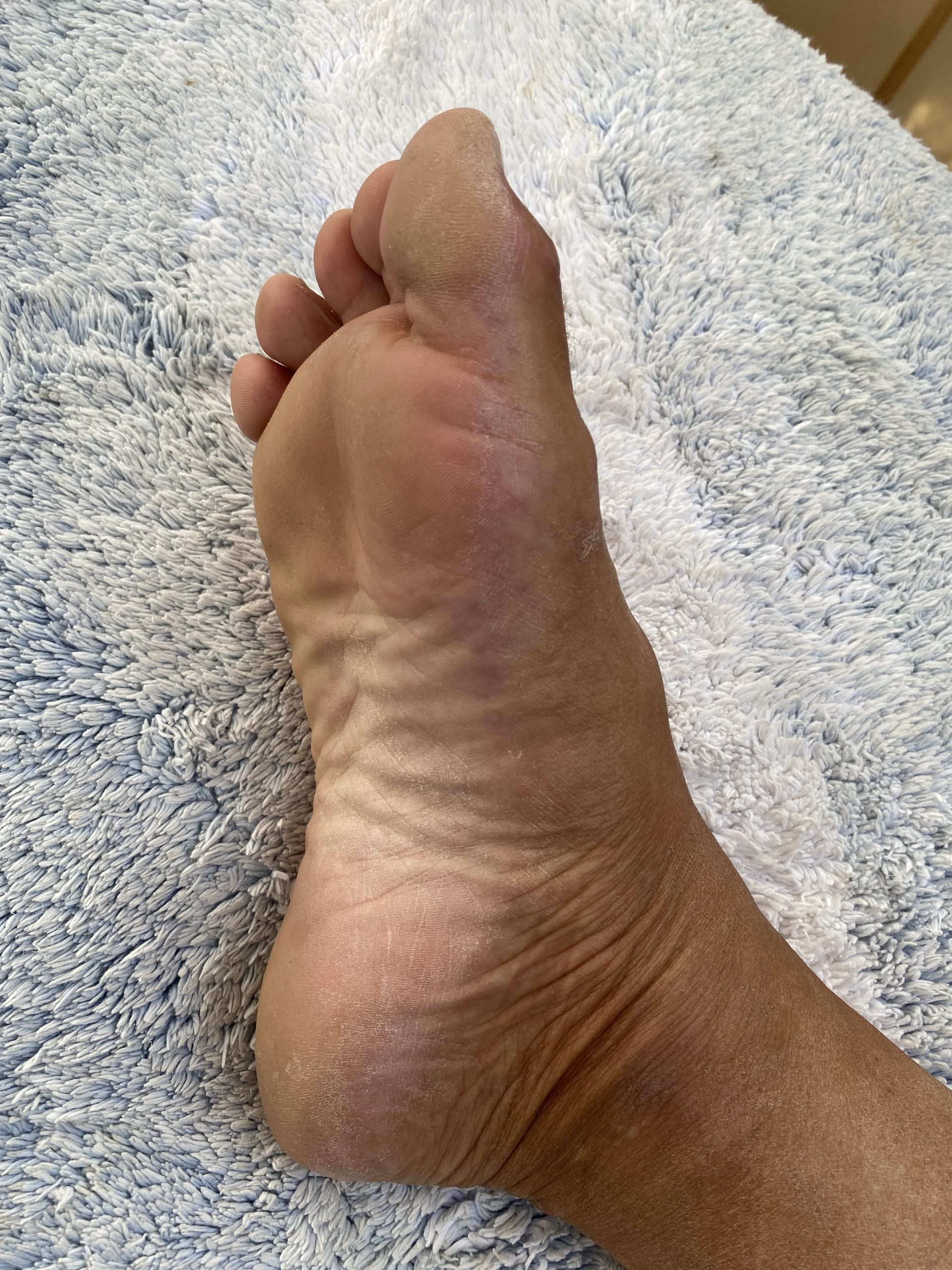
The same single session also resolved nagging issues in the hips, neck, and back that had been present for years. All downstream of the same mechanism: chronic altitude hypoxia creating systemic inflammation that degraded tissue quality wherever mechanical stress was highest.