
Ben Menefee: HBOT vs. LiveO2
A combat veteran with a near-fatal brain injury. 120 prescribed hyperbaric dives. Then he found a better way.
Ben Explains Why He Switched
First-hand comparison of medical hyperbaric therapy and LiveO2 — from someone who’s done both.
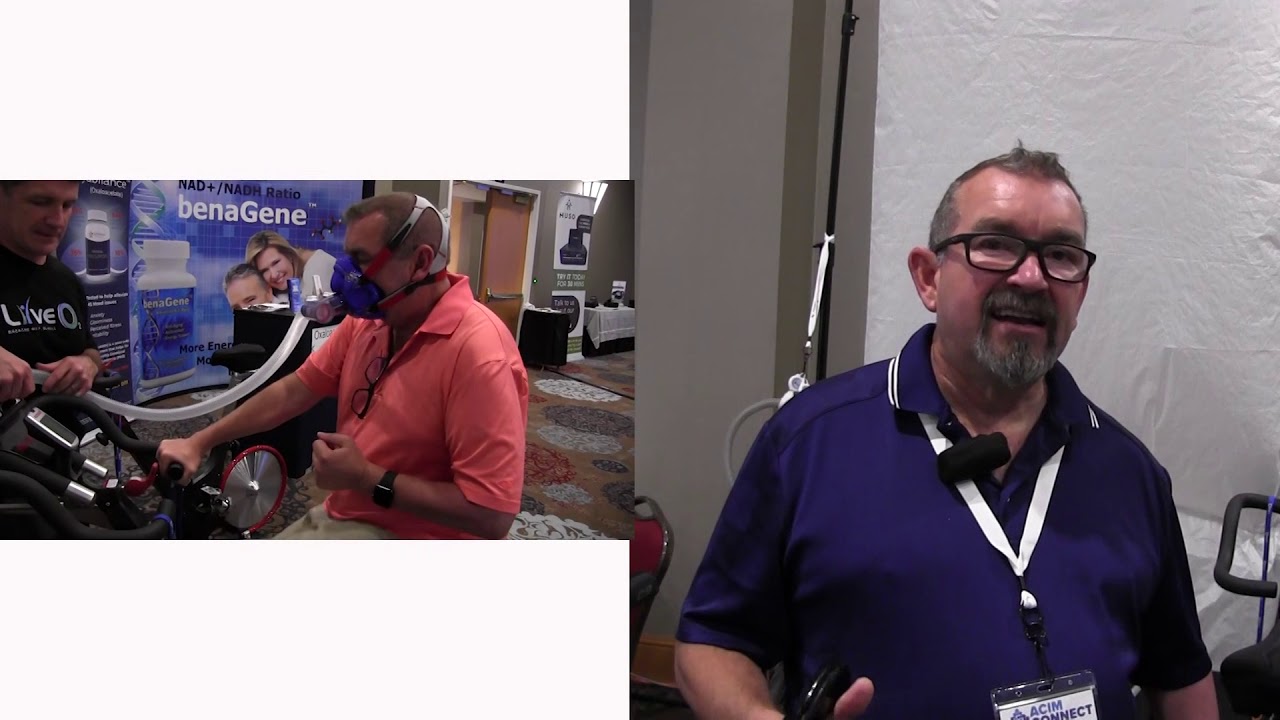
Ben Menefee is a combat veteran who suffered a near-fatal brain injury while serving in Afghanistan in 2013. The injury left him paralyzed on his left side and confined to a wheelchair. His doctor prescribed 120 hyperbaric dives. Then Ben found LiveO2 — and his recovery took a completely different path.
A Brain Injury That Changed Everything
In 2013, Ben was serving in Afghanistan when he suffered a traumatic brain injury. It was nearly fatal.
The damage was severe. He lost function on his left side. He was in a wheelchair. The doctors and therapists didn’t know how far his recovery could go.
His doctor prescribed the standard protocol for TBI patients: 120 dives in a medical hyperbaric chamber. That’s a pressure chamber that forces oxygen into your tissues under 1.5 to 3 atmospheres of pressure.
Ben did the dives. He followed the protocol. But then he discovered LiveO2 and realized there was a completely different way to get oxygen into his brain — one he could do at home, on his own terms, in a fraction of the time.
A 2015 study in Medical Gas Research showed that enhanced oxygen delivery protocols can support neuroplasticity and recovery after traumatic brain injury, with effects observed in both cognitive function and motor control (PubMed).
The Side-by-Side Comparison
Ben didn’t just try both. He lived both. He has direct, first-hand experience comparing medical hyperbaric therapy with LiveO2 on every dimension that matters.
Here’s how they stack up:
| Hyperbaric Chamber | LiveO2 | |
|---|---|---|
| Session Time | 1–2 hours | 15 minutes |
| Location | Travel to a clinic | At home |
| Help Needed | Trained technician required | Self-administer |
| Time to Feel Results | Delayed — builds over many sessions | Immediate — most people feel it in session one |
| Strength of Benefits | Gradual | Dramatic |
| Difficulty | Always need help getting in/out | Get on your bike and put on a mask |
The numbers tell one story. But the lived experience tells a bigger one. Ben felt the difference immediately. With LiveO2, results showed up faster, hit harder, and didn’t require anyone’s help.
120 prescribed dives in a medical chamber. Then 15 minutes on LiveO2 at home showed him what was really possible.
Why Ben Switched
Think about what 120 hyperbaric dives actually looks like. You drive to a clinic. You check in. A technician seals you in a pressurized chamber. You lie there for one to two hours. Then you drive home.
Do that 120 times.
Now compare: walk into your garage. Get on the bike. Put on the mask. Fifteen minutes later, you’re done. No appointment. No technician. No travel.
But it’s not just convenience. Ben says the results from LiveO2 were more dramatic and showed up faster. That’s because LiveO2’s Adaptive Contrast protocol uses exercise to drive your heart rate up, then alternates between high oxygen and low oxygen. This forces blood vessels open through vasodilation — then floods them with concentrated oxygen.
Medical hyperbaric chambers rely on pressure alone. LiveO2 combines exercise, altitude simulation, and concentrated oxygen — three mechanisms working together in one fifteen-minute session.
A Recovery That Keeps Going
Five years after his initial injury, Ben’s recovery continued — to the amazement of his doctors and therapists.
That’s the part most people miss. Brain recovery doesn’t have a clean finish line. The brain can continue to rewire and rebuild for years — if you give it what it needs.
What it needs most is oxygen.
The brain uses roughly 20% of your body’s oxygen supply. After a traumatic injury, blood flow to damaged areas drops. The cells that need oxygen most are the ones getting the least. LiveO2’s Adaptive Contrast protocol is designed to overcome exactly that limitation — forcing open the blood vessels that have shut down, then delivering a concentrated oxygen payload directly to the tissues that are starving for it.
“Ben’s recovery continues five years after his initial injury, to the amazement of his doctors and therapists.”
— LiveO2 case documentationThat’s not a miracle. That’s what happens when you give the brain the raw material it needs to heal — consistently, at home, on your own schedule.
Common Questions
LiveO2 and medical hyperbaric chambers deliver oxygen through different mechanisms. Medical HBOT uses pressure to dissolve oxygen into plasma. LiveO2 uses exercise-driven circulation plus Adaptive Contrast to open blood vessels and flood tissues. Many users, like Ben, find LiveO2 delivers faster, more noticeable results for their needs. Consult your physician for specific medical conditions.
The brain consumes about 20% of the body’s oxygen. After injury, blood flow to damaged areas drops. LiveO2’s Adaptive Contrast triggers vasodilation — opening blood vessels — then floods them with concentrated oxygen. This delivers oxygen to areas that normal breathing can’t reach. Learn about brain oxygenation measurement.
A standard LiveO2 session is about 15 minutes. Compare that to 1–2 hours in a hyperbaric chamber, plus travel time. Most people use LiveO2 three to five times per week at home. What’s involved in a session.
No. LiveO2 is designed for self-administration. You get on your exercise bike (or any cardio equipment), put on the mask, and follow the protocol. No special training, no technician, no appointment needed.
LiveO2 is an oxygen training system, not a medical device. Many people with brain injuries use it as part of their recovery alongside their medical team. Always consult your physician before starting any new health protocol, especially after a traumatic injury.