
LiveO2 vs. Hyperbaric Oxygen Therapy
A doctor who uses both explains why the comparison isn’t even close — on results, convenience, cost, and long-term benefit.
A Doctor Compares Both Approaches
Full video series — a physician breaks down hyperbaric vs. LiveO2 from direct clinical experience.
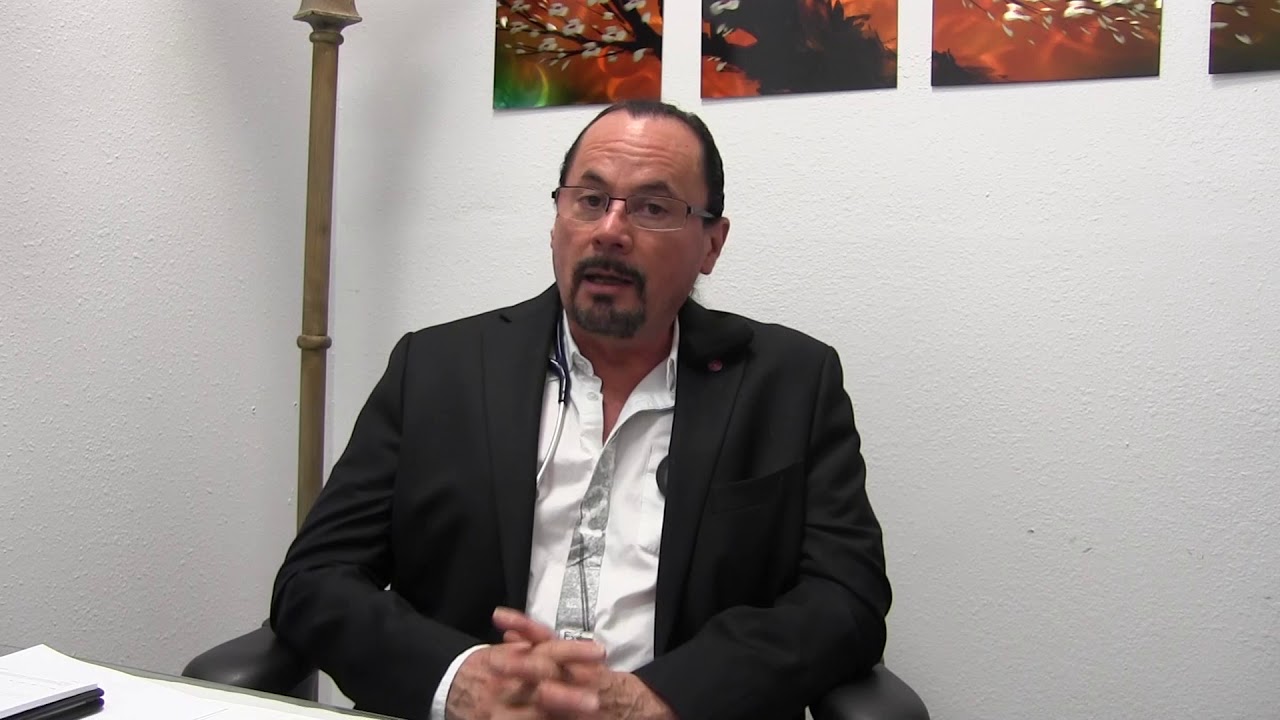
A practicing physician who has used both medical hyperbaric chambers and LiveO2 with patients shares his unfiltered comparison. Faster results. Lower cost. Longer-lasting benefits. And patients who actually enjoy the experience enough to keep coming back.
Faster Results That Actually Last
This doctor has seen patients in both settings. Medical hyperbaric chambers. LiveO2 in the clinic. Same types of conditions — fatigue, energy problems, immune challenges, recovery from illness.
His conclusion is blunt: LiveO2 gets faster results that last longer.
“I see faster and quicker results … and longer-standing results in patients using LiveO2 because they enjoy it, they feel better, and they keep on coming back.”
— Physician in LiveO2 comparison seriesThat last part matters more than most people realize. The best therapy in the world is useless if people don’t stick with it. Hyperbaric sessions are long, uncomfortable, and require travel. LiveO2 sessions are 15 minutes, feel invigorating, and can be done at home.
Compliance drives outcomes. And LiveO2 wins on compliance by a mile.
The Cost Reality
Medical hyperbaric treatments typically run hundreds of dollars per session. Many protocols require 40, 60, or even 120 sessions. Do the math and you’re looking at tens of thousands of dollars — plus the time cost of traveling to a clinic for every single one.
LiveO2 is a one-time investment that you use at home, as often as you want, for as long as you own it. No per-session cost. No appointments. No travel. No technician fees.
“In money, there is no comparison. In time, there is no comparison.”
And because you can use it daily at home, the total oxygen exposure you get over a month of LiveO2 use far exceeds what most people get from a standard hyperbaric protocol.
Benefits That Keep Working
One of the most striking things this doctor describes is the residual effect. After a LiveO2 session, the therapeutic benefits don’t just stop when you take the mask off.
“The residual oxygen and therapeutic benefits in your blood can last from weeks up to months … and immunity even longer.”
— Physician in LiveO2 comparison seriesThis makes biological sense. When you flood your tissues with oxygen at the levels LiveO2 delivers, you’re not just giving cells a temporary boost. You’re restoring circulation to areas that have been under-oxygenated. You’re supporting mitochondrial function. You’re reducing inflammation at the vascular level.
A 2022 systematic review in Sports Medicine – Open found that intermittent hypoxia–hyperoxia training (the same principle behind Adaptive Contrast) improved peak oxygen uptake and exercise tolerance across the trials it examined (PubMed).
Those aren’t temporary effects. Those are structural improvements in how your body delivers and uses oxygen.
Getting In and Out
There’s a practical dimension most comparisons ignore: the physical difficulty of using a hyperbaric chamber.
Medical monoplace chambers require you to lie flat on a stretcher and get slid inside a tube. Multiplace chambers let you walk in, but you’re still sealed in a pressurized room for one to two hours. Home hyperbaric units are inflatable bags that you zip yourself into and wait for them to pressurize.
As this doctor puts it: the home units are the most physically awkward of all. You’re lying inside a duffel bag waiting for it to inflate.
“With LiveO2 you just get on your exercise unit … put your mask on … it’s something wonderful.”
— Physician in LiveO2 comparison seriesLiveO2 doesn’t require any of that. You sit on a bike or a reclining stepper. You put on a mask. You pedal for 15 minutes. No pressure. No sealed chamber. No technician. No claustrophobia.
For elderly patients, people with mobility challenges, or anyone who just wants to breathe better without the hassle — the practical advantage of LiveO2 is enormous.
Why Adaptive Contrast Changes the Game
The doctor in this series specifically highlights LiveO2’s Adaptive Contrast mode. Not just high oxygen — the alternation between high oxygen and low oxygen that triggers a completely different physiological response.
“If you’re oxygenating with LiveO2 and then you turn it to high altitude … your body starts starving for oxygen and it opens up the blood vessels. Once you open up the blood vessels and switch it back to oxygen … you hyper-oxygenate even more.”
— Physician in LiveO2 comparison seriesThis is the fundamental mechanism that makes LiveO2 different from both passive oxygen therapy and medical hyperbaric. You’re not just adding pressure. You’re not just breathing enriched air. You’re triggering your body’s own vasodilation response, then exploiting those wide-open blood vessels to deliver a massive oxygen payload.
The result is deep tissue oxygenation that neither approach can achieve on its own. Hyperbaric gives you pressure. A concentrator gives you enriched air. LiveO2 gives you the vasodilation plus the oxygen — in a single 15-minute session.
Common Questions
No. Hyperbaric chambers use elevated atmospheric pressure to dissolve oxygen into blood plasma. LiveO2 uses exercise-driven circulation combined with Adaptive Contrast (alternating high and low oxygen) to trigger vasodilation and flood tissues with concentrated oxygen. Different mechanisms — LiveO2 users and practitioners often report faster, more noticeable results.
Yes. LiveO2 is designed for home use. You pair it with any cardio equipment — stationary bike, elliptical, or reclining stepper — and do your session whenever it fits your schedule. No clinic visits, no appointments, no technician required.
According to the physician in this video series, the residual oxygen and therapeutic benefits can last from weeks up to months. Immune benefits may last even longer. Regular use — three to five sessions per week — compounds these effects over time.
Adaptive Contrast is LiveO2’s protocol that alternates between concentrated oxygen and altitude-simulated air (low oxygen) during exercise. The low-oxygen phase triggers vasodilation — opening blood vessels wider than normal. The high-oxygen phase then floods those open vessels with concentrated O2, achieving deep tissue saturation. Full explanation here.
The doctor in this series notes that for most conditions — energy, fatigue, immune support, general wellness — LiveO2 delivers faster and longer-lasting results. Medical hyperbaric may have a role in specific acute situations. For ongoing daily health optimization, LiveO2’s convenience and effectiveness make it the clear choice for most people.
His advice is direct: for doctors looking to offer oxygen therapy, LiveO2 is the clear recommendation. It’s low maintenance, easy to use, requires no special technicians, has no pressure-related complications, and eliminates the permitting difficulties that come with medical hyperbaric equipment.