
Adaptive Contrast: Why Oxygen Alone Isn’t Enough
Your body uses oxygen best when circulation is working at full capacity. Adaptive Contrast forces both to happen at the same time — that’s what makes it different from every other oxygen system.

Ben Menefee — paralyzed by a TBI in Afghanistan — used Adaptive Contrast to restore circulation and overcome fatigue.
Oxygen Surplus Actually Shuts Circulation Down
This surprises most people. When oxygen levels are high, the body reads that as “no emergency” and keeps blood flow normal. Circulation only increases when the body senses an oxygen shortage.
That means breathing pure oxygen the whole time — like most EWOT systems — works against itself. The oxygen floods your lungs but circulation stays slow. The blood doesn’t move fast enough to carry that oxygen where you need it.
Adaptive Contrast is built around this biology. It switches between oxygen-reduced air and high-oxygen air on purpose — using the body’s own emergency response to push oxygen deeper and faster.
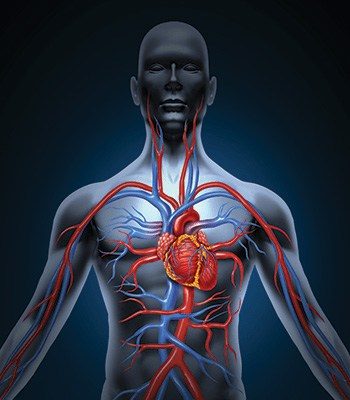
3 Steps. Maximum Oxygen Delivery.
Adaptive Contrast follows a specific sequence during exercise. Each step has a purpose.
Exercise creates demand
You exercise while breathing through the system. Your muscles need oxygen. Your body starts working harder to circulate blood.
Oxygen-reduced air triggers an emergency response
The system switches to air with less oxygen — similar to being at altitude. Your body reads this as a shortage and rapidly opens blood vessels. Circulation increases fast. This is the key step that oxygen-only systems skip entirely.
High-oxygen air supercharges the open vessels
Now the system switches to high-oxygen air — 90–95% pure oxygen. Blood vessels are already wide open from the depletion phase. Oxygen-rich blood floods into tissues, organs, and the brain far more effectively than it ever could with constant oxygen alone.
The Worse Your Circulation, the More This Matters
Healthy, fit people have good baseline circulation. They benefit from Adaptive Contrast — but they can still get reasonable results from oxygen-only training.
For everyone else, the gap is much bigger. People with limited exercise capacity — due to injury, age, illness, or deconditioning — have poor baseline circulation. Oxygen alone barely moves through their system.
Adaptive Contrast gives those users something they couldn’t get otherwise. The contrast sequence activates circulation even when the person can only do light exercise. A small amount of movement becomes far more effective.
“Ben Menefee was half paralyzed by a head injury in Afghanistan. Right-side paralysis limited his ability to exercise. Adaptive Contrast enabled him to get about twice the cardiovascular activation — enough to move oxygen from his lungs to his brain and overcome his fatigue.”
— Ben Menefee’s recovery, as documented in the LiveO2 case study aboveThis pattern shows up across many users. People with Long COVID, chronic fatigue, post-stroke recovery, and traumatic brain injury report that the contrast protocol unlocks circulation they couldn’t access through exercise alone.
Adaptive Contrast vs. Oxygen-Only Systems
Most other EWOT systems deliver high-concentration oxygen continuously throughout exercise. That approach ignores the depletion mechanism — the part of the biology that actually drives circulation.
| Feature | Oxygen-Only EWOT | Adaptive Contrast (LiveO2) |
|---|---|---|
| High-oxygen delivery during exercise | ✓ Yes | ✓ Yes |
| Oxygen-reduced phase to trigger circulation | ✗ No | ✓ Yes |
| Actively opens blood vessels during session | ✗ Limited | ✓ Yes — by design |
| Effective for limited-capacity users | ✗ Reduced | ✓ Significantly better |
| Reaches deep tissues and brain | ✗ Depends on existing circulation | ✓ Contrast drives delivery |
| Patented contrast mechanism | ✗ No | ✓ Yes |
When People Choose Adaptive Contrast
Adaptive Contrast shows up in 5 distinct use cases. Each one depends on the same core mechanism — using oxygen depletion to maximize circulation before flooding the body with high-oxygen air.
Brain recovery (TBI, concussion, Long COVID)
The brain is oxygen-hungry and poorly reached by normal circulation. Contrast protocols are used specifically to drive oxygenated blood across the blood-brain barrier.
Athletic performance (VO2 max)
Athletes use contrast training to simulate altitude — then immediately recover with high oxygen. This combination trains the cardiovascular system harder than either approach alone.
Chronic fatigue and limited mobility
When people can’t exercise intensely, the contrast mechanism compensates. Even light movement generates enough response to benefit from the full protocol.
Immune support and inflammation
High oxygen in tissues suppresses the anaerobic environment that pathogens and inflammation thrive in. The contrast mechanism reaches tissues that passive oxygen delivery misses.
Aging and longevity
Circulation naturally declines with age. Users in their 60s and 70s report using Adaptive Contrast as a way to maintain the cardiovascular output they had at younger ages.
Adaptive Contrast — Your Questions Answered
Adaptive Contrast is a patented method that alternates between oxygen-reduced air and high-oxygen air during exercise. Regular oxygen training only delivers high-oxygen air. The difference matters because oxygen depletion — not oxygen surplus — is what triggers the body to open blood vessels and increase circulation. By adding the depletion phase, Adaptive Contrast activates the circulation response before flooding the body with oxygen, making delivery far more effective.
The body regulates blood flow based on oxygen demand. When oxygen is plentiful, there is no signal to increase circulation — so blood vessels stay at normal diameter and flow stays at baseline. Only when oxygen drops does the body respond by expanding blood vessels and pumping harder. This is the same mechanism used during altitude training. Adaptive Contrast uses it deliberately, then follows with high-oxygen air to take advantage of the open vessels.