
Healing ALS with Oxygen Training
Case studies from the Heal ALS Conference. What changed in speech and gait after a single 15-minute LiveO2 session.
What This Page Shows
ALS is a motor neuron disease. It slowly takes away speech, swallowing, and movement. There is no cure. Most treatments slow the loss. They do not bring function back.
LiveO2 is an oxygen training system. It pairs altitude air with high-flow oxygen during light exercise. We brought it to the Heal ALS Conference to test one question: can a 15-minute session change how a person with ALS speaks and walks the same day?
This page reports what we saw. Five volunteers. Before and after speech tests. Before and after gait tests. The results are case studies, not a clinical trial. We share them so families and clinicians can see the pattern for themselves.
Why Oxygen Matters in ALS
Motor neurons burn more energy than almost any other cell in the body. They need a steady oxygen supply to fire. When tiny blood vessels around them get blocked — by stress, heavy metals, toxins, or head trauma — the neurons starve. Damaged mitochondria, the engines inside each cell, make less energy. Function falls.
This pattern is documented in the research. Mitochondrial dysfunction is a core feature of ALS, and capillary damage in the brain and spinal cord shows up in ALS tissue studies. The same obstruction pattern also shows up in Alzheimer’s, Parkinson’s, dementia, and post-concussion syndrome — different diseases, same upstream problem.

“ALS is partly due to chronic microvascular obstruction. Amyloid plaques form when oxygen deficiency prevents proper protein synthesis.”
— Mark Squibb, LiveO2 founder
The LiveO2 hypothesis is simple. If blocked capillaries are part of the problem, then a session that opens those capillaries and floods them with oxygen should change how the volunteer looks and sounds — fast.
What a Session Looks Like
Each volunteer at the conference followed the same protocol:
- Record speech and gait video before the session.
- 15 minutes on LiveO2 — light exercise with Adaptive Contrast (altitude air alternating with high-flow oxygen).
- Record speech and gait video after the session.
- Repeat on Day 2 to see if changes hold.
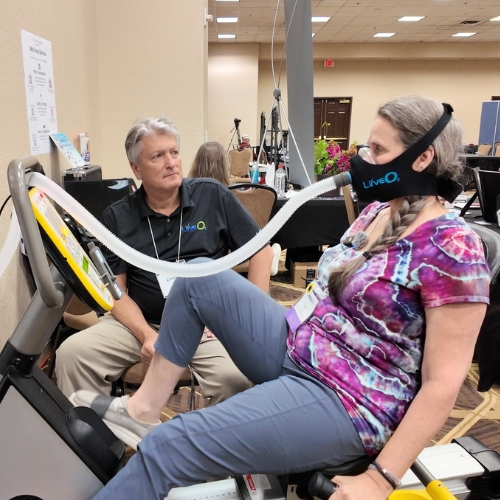
15 minutes. Same person. Same camera. Same test. The only thing that changes between the two videos is the oxygen.
For home use, typical sessions run 15 to 30 minutes, done daily or 3 times per week. Continuous oxygenation appears to sustain the gains.
The Five Case Studies
Five volunteers went through the protocol. Each has a Day 1 speech test, a Day 1 gait test, and a Day 2 follow-up.
Tricia D.
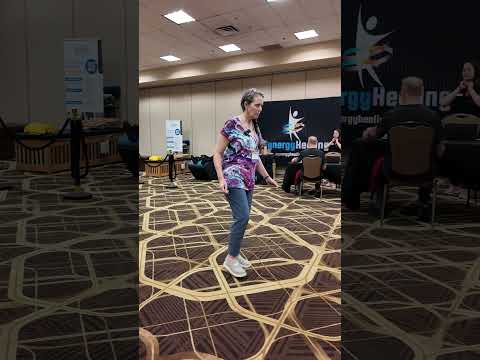
Day 1 speech and gait recorded before and after a single 15-minute session. Day 2 results captured the next day to test whether gains held overnight.
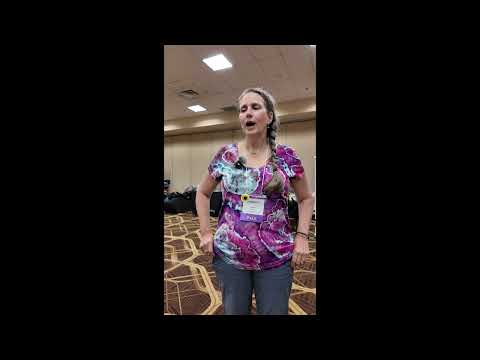
Day 1 — Speech Test
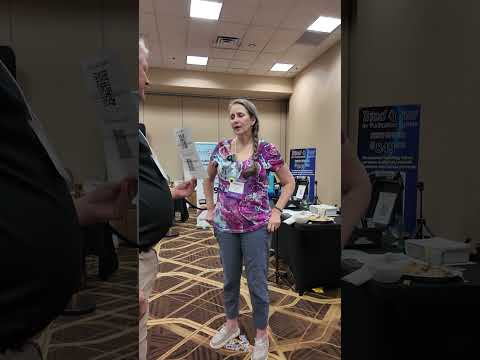
Day 1 — Mobility / Gait Test
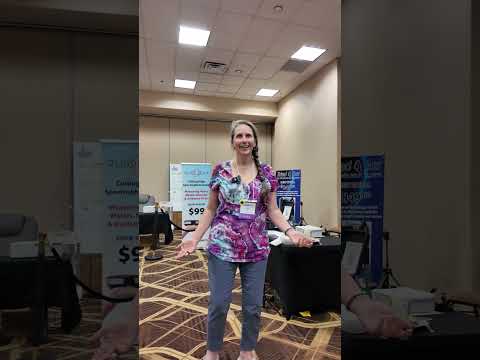
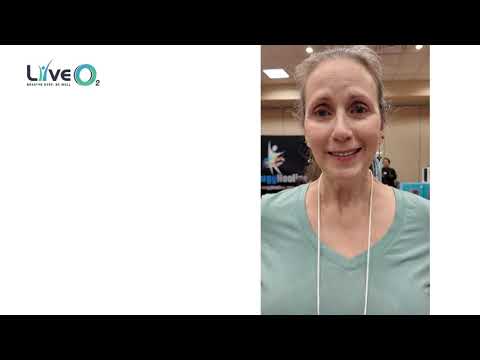
Day 2 — Results
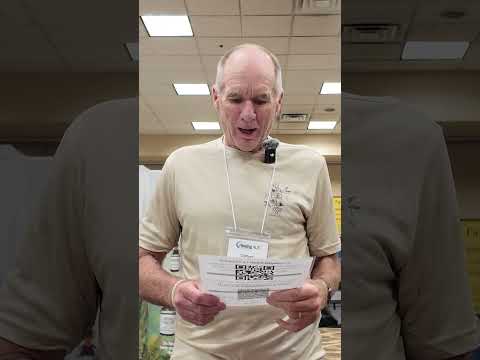
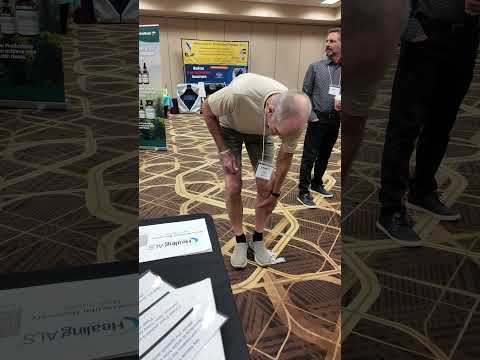
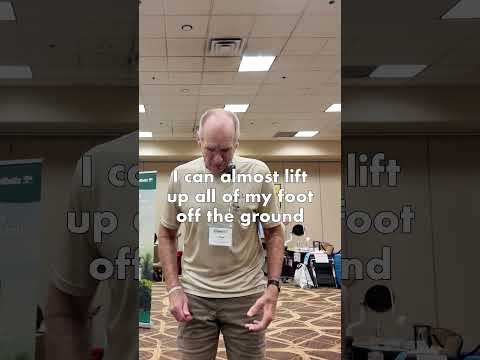
Clifford J.
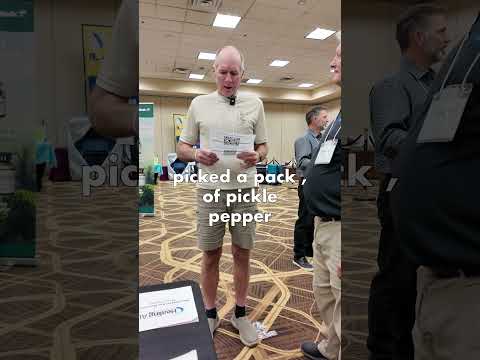
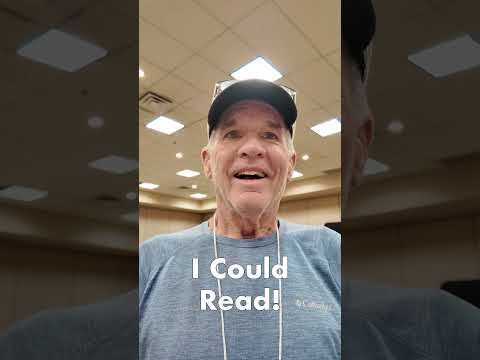
Same protocol as Tricia. Day 1 speech and gait recorded before and after the session. Day 2 results show how durable the change was after rest.
Day 1 — Speech Test
Day 1 — Mobility / Gait Test
Day 2 — Results
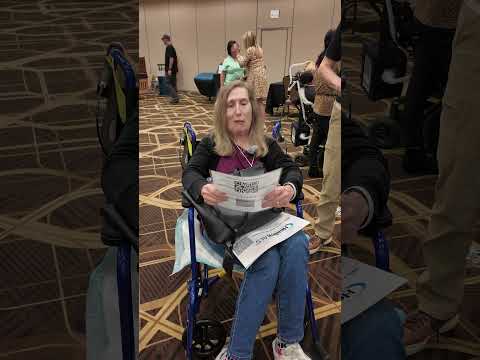
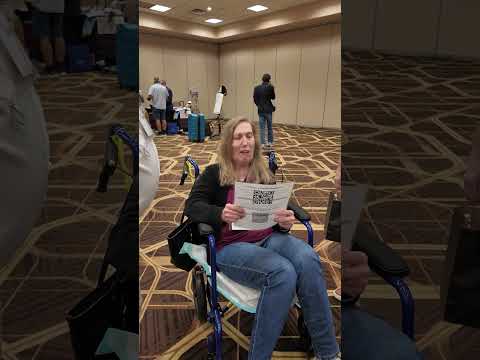
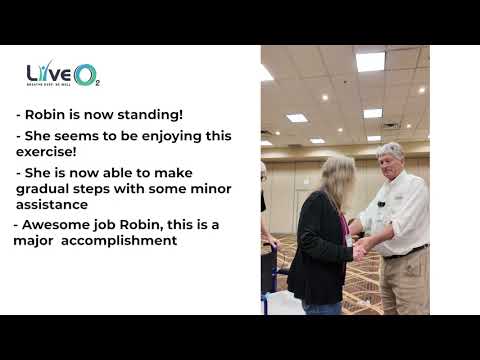
Robin S.
Day 1 speech test before and after. Mobility and gait recorded after LiveO2 training to capture the change in stride and balance.
Day 1 — Speech Test
Post LiveO2 — Mobility / Gait Test
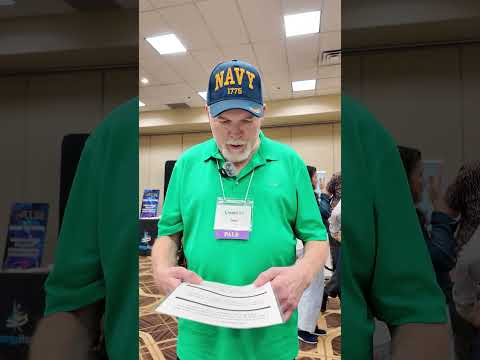
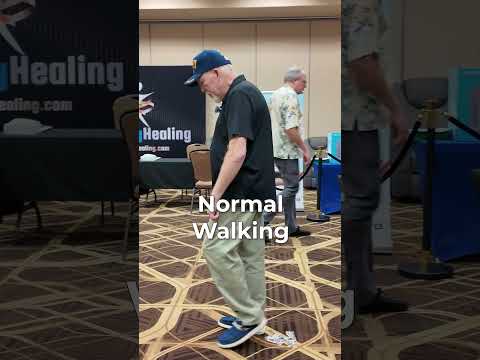
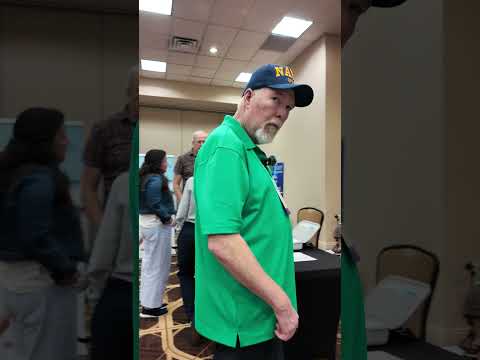
Dean H.
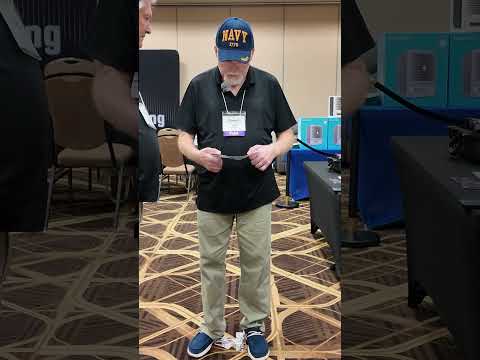
Speech and gait recorded on Day 1 (before the session) and Day 2 (after the session). The two-day gap tested how a single training day held up overnight.
Speech Test Comparison
Post LiveO2 — Mobility / Gait Test
Bill G.
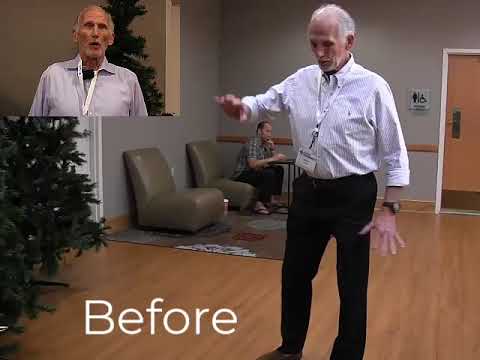
We first met Bill Glantz in 2018, after his ALS diagnosis. After one 15-minute LiveO2 session, his gait and leg strength improved. The gain held for two weeks — until he came down with the flu, which appeared to re-trigger neurovascular inflammation and reverse his progress. Two things to take from this: a single session can change function fast, and sustained results need consistent training without new inflammatory hits.
What We Are Measuring
This is not the first time oxygen training has shown effects in ALS. Kim Cherry, an early LiveO2 user, reportedly stabilized his ALS symptoms for several years using oxygen-based training. That outcome is what we set out to reproduce at the Heal ALS Conference.
“A 19-minute session increased brain energy output by 29 percent. When neurons get the oxygen they were missing, function comes back online.”
— Mark Squibb, LiveO2 founderThe point of these case studies is not to claim a cure. ALS is a serious disease and no oxygen session reverses it. The point is to show that some lost function — speech clarity, stride length, grip — can change inside a single session. That window of change is where families can build a daily protocol.
The same recovery pattern shows up beyond ALS. In one documented case, a 23-year-old man who had been cognitively impaired since age 3 went through six LiveO2 sessions — under 90 minutes of total training. His cognitive test scores shifted from red to green across multiple brain regions. When capillaries open and oxygen flows, brain function comes back online.
5 to 15%. The functional IQ boost most LiveO2 users see — with or without a brain condition. The Brain-On effect runs on the same mechanism that opens stalled capillaries in ALS.
Why Adaptive Contrast and Not Oxygen Alone
Most oxygen-only systems deliver about a third of the effect we see at the conference. Breathing extra oxygen at rest helps a little. It does not move the needle on speech or gait in 15 minutes.
Adaptive Contrast is different. The session alternates altitude air (lower oxygen) with high-flow oxygen during light exercise. The altitude phase opens blocked capillaries. The oxygen phase floods the newly opened tissue. The result is far more oxygen delivered into brain and motor neuron tissue than steady-state oxygen alone.
One more thing about timing: once oxygen starts flowing again, the body uses it to heal — which means consistency matters. A minimum of three sessions per week keeps the capillaries open and the healing process moving. Skipping for weeks can let the inflammation reset, which is what we believe happened when Bill caught the flu.
That is why the case studies on this page used Adaptive Contrast, not standard EWOT.
Have a question about your situation?
Every ALS case is different. Talk to a LiveO2 specialist about session protocols, equipment, and what to expect for your family member.
Common Questions
No. ALS has no cure. LiveO2 is an oxygen training tool that some people with ALS and their families use to support function. The case studies on this page show short-term changes in speech and gait after a session, not disease reversal.
15 to 30 minutes per session. At the Heal ALS Conference each volunteer did a single 15-minute session before retesting speech and gait. At home, most users run daily or 3 times per week.
Speech and gait changes the same day. Bill Glantz showed improved gait and leg strength after one 15-minute session, and the gain held for two weeks. Day 2 retests captured how each volunteer held overnight.
Motor neurons burn more energy than nearly any other cell. They depend on a steady flow of oxygen through the smallest blood vessels. Mitochondrial dysfunction is documented in ALS, and improving oxygen delivery is one mechanism that can support neuron function.
Plain oxygen at rest delivers about a third of the effect. Adaptive Contrast alternates altitude air with high-flow oxygen during light exercise, which opens blocked capillaries and floods them with oxygen. That is what produced the same-day changes on this page.
Sessions are low-intensity and use the person’s own breathing — there is no pressure chamber. We recommend reviewing the protocol with a neurologist before starting, especially when respiratory function is affected. Caregivers should be present during sessions.
Most families start with new-user onboarding to learn the equipment and the Adaptive Contrast protocol, then run 15-minute sessions daily or 3 times per week. The BrainO2 protocol is the closest match for ALS goals.
Yes. LiveO2 is a daily health tool for healthy users — most caregivers report a 15–25 year functional health rollback over six months of regular use. Caring for someone with ALS is one of the most stressful jobs there is. Using LiveO2 yourself protects against stress-related conditions and keeps you strong for the person you’re caring for.
More case studies are in the Oxygen Library, including Dr. Mike Bauerschmidt’s account and Dr. Rowen on oxygenation.